10 picks · vetted plastic-free
The best plastic-free coffee makers
Most drip machines run near-boiling water through plastic parts. These brewers are glass, steel and ceramic the whole way through.
Heat is what makes plastic shed, and a coffee maker is plastic plus heat by design: hot water sits in a plastic tank, runs through plastic tubing and drips through a plastic basket. Researchers found that boiling water in contact with plastic drives particle release sharply upward, which is exactly the condition inside a drip machine or pod brewer every morning.
The fix is older and better-tasting than the problem. Pour-over, French press, moka and immersion brewing all pre-date plastic, and every pick below keeps hot water touching only glass, stainless steel or ceramic.


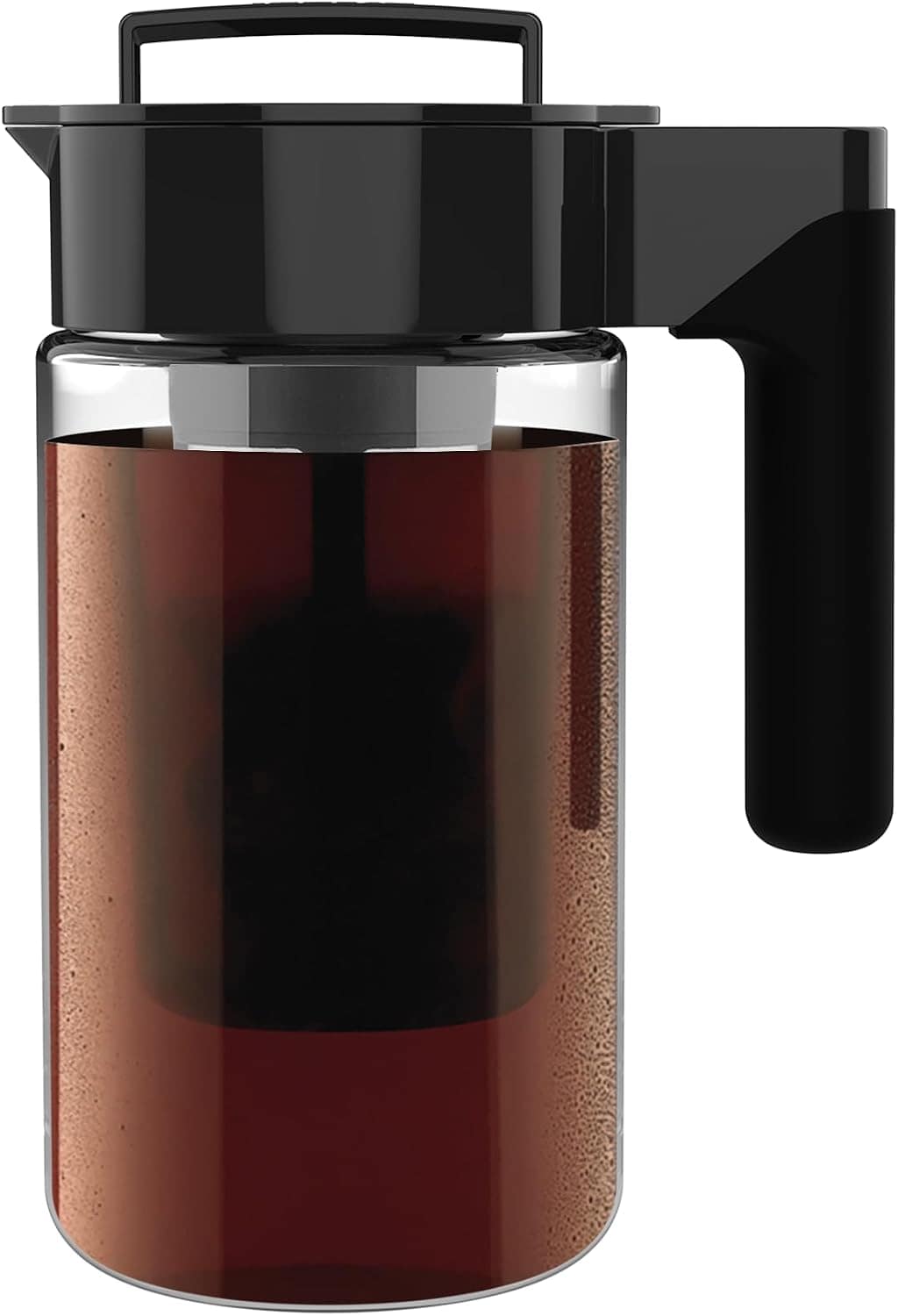
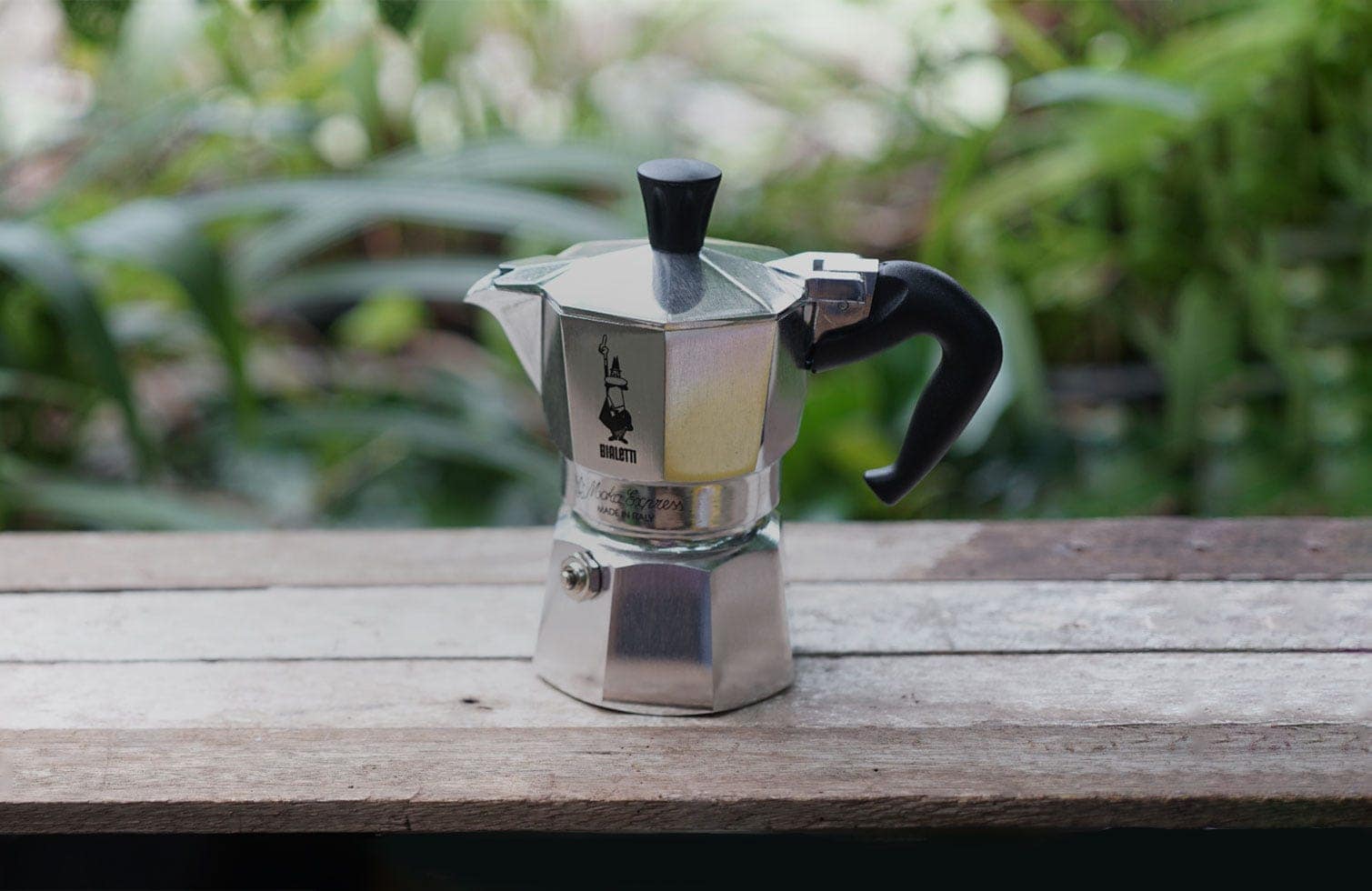

Complete the plastic-free counter
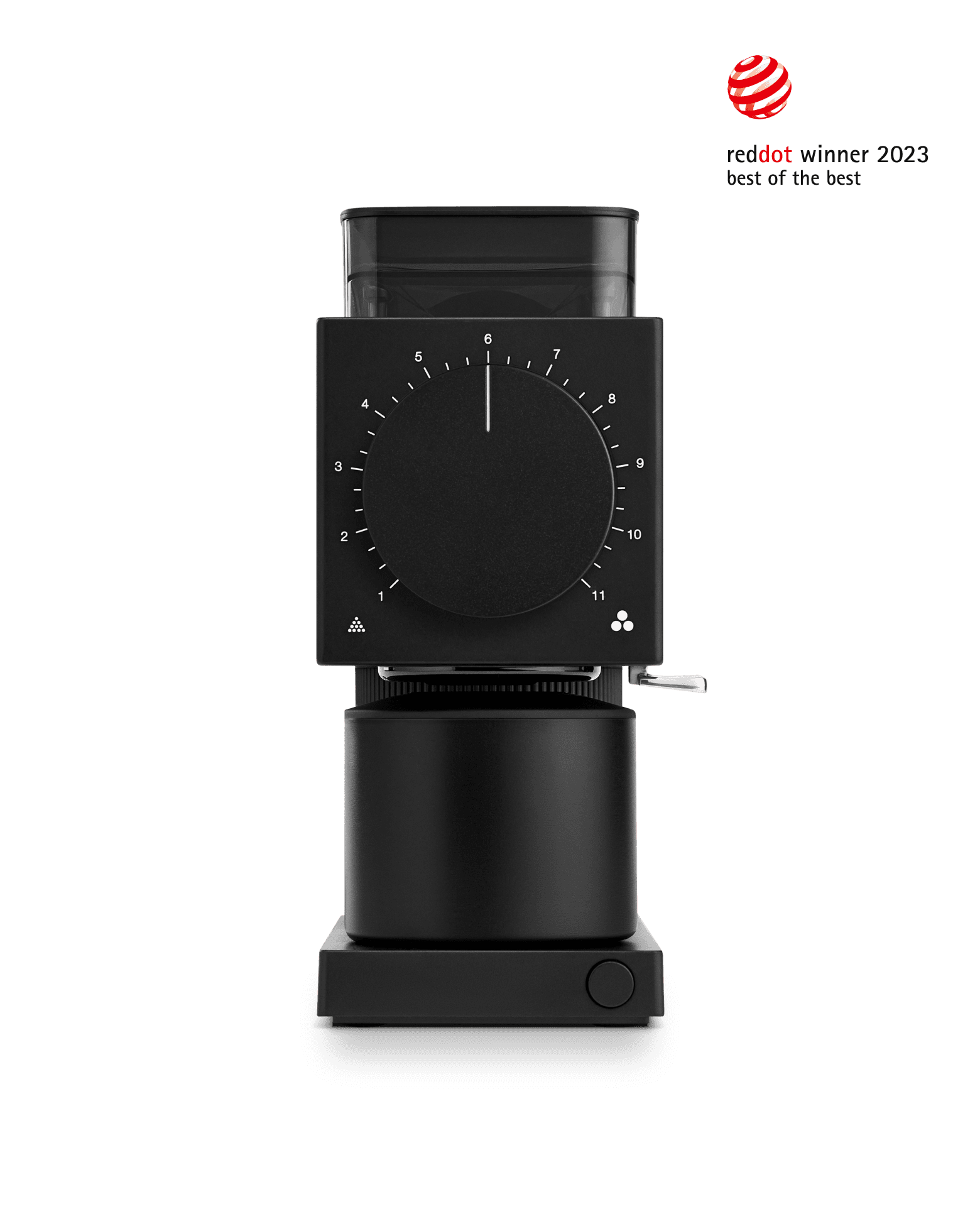
A gooseneck kettle that is stainless where the water touches makes pour-over precise, and a proper burr grinder means fresher grounds in glass or steel, not a plastic hopper that scratches and sheds. If espresso is your thing, one machine here earns its place.


Common questions
- Do coffee makers really release microplastics?
- Any plastic in contact with hot water sheds more than it does cold: heat accelerates the breakdown of polymer surfaces. Drip machines and pod brewers pass near-boiling water through plastic tanks, tubes and baskets, so brewing entirely in glass, steel or ceramic removes that exposure at the source.
- What is the easiest plastic-free way to make coffee?
- A French press is the gentlest learning curve: add grounds, add water, wait four minutes, press. Pour-over takes slightly more technique and rewards it with a cleaner cup. Both are entirely glass and steel.
- Are paper filters a problem?
- Plain paper filters are fine, and compostable. The filters to avoid are the woven plastic mesh kind found in some teabag-style single-serve formats. If you want zero waste, the Pure Over and the French press need no paper at all.
- What about the plastic in espresso machines?
- Most home espresso machines use plastic tanks and lines. The machine we list is built around a stainless boiler and metal group head, which is where the hot water actually lives. It is an investment, which is why the moka pot exists: espresso-style coffee from about $40 of stainless steel.
Sources
- Drinking Boiled Tap Water Reduces Human Intake of Nano- and Microplastics · Environmental Science & Technology Letters (ACS) (2024)
- Plastic Teabags Release Billions of Microparticles and Nanoparticles into Tea · Environmental Science & Technology (ACS) (2019)
- Microplastics Are Everywhere. Here's How to Avoid Eating Them. · NYT Wirecutter (2024)