Guide · 5 min read
The plastic-free kitchen, swap by swap
The kitchen is where plastic meets heat, acid and abrasion, the three things that make it shed into food. Here is where to start.
If you only change one room, make it this one. The kitchen is where plastic gets heated, scratched and soaked in acidic food, exactly the conditions that release particles into what you eat and drink. The good news is that the highest-impact swaps are also the most satisfying: heirloom materials that cook better, look better and last for decades rather than landing in a drawer of warped, stained plastic.
Get plastic off your board and utensils
A plastic cutting board is one of the most overlooked sources of microplastics in the home. Researchers estimate a board can shed tens of millions of particles into food each year as you chop, with about half ending up on your knife and in your meal. Move to wood or bamboo for everyday prep, and swap flimsy nylon utensils for solid wood that will not melt against a hot pan or scratch your cookware.


Cook in materials that don't shed
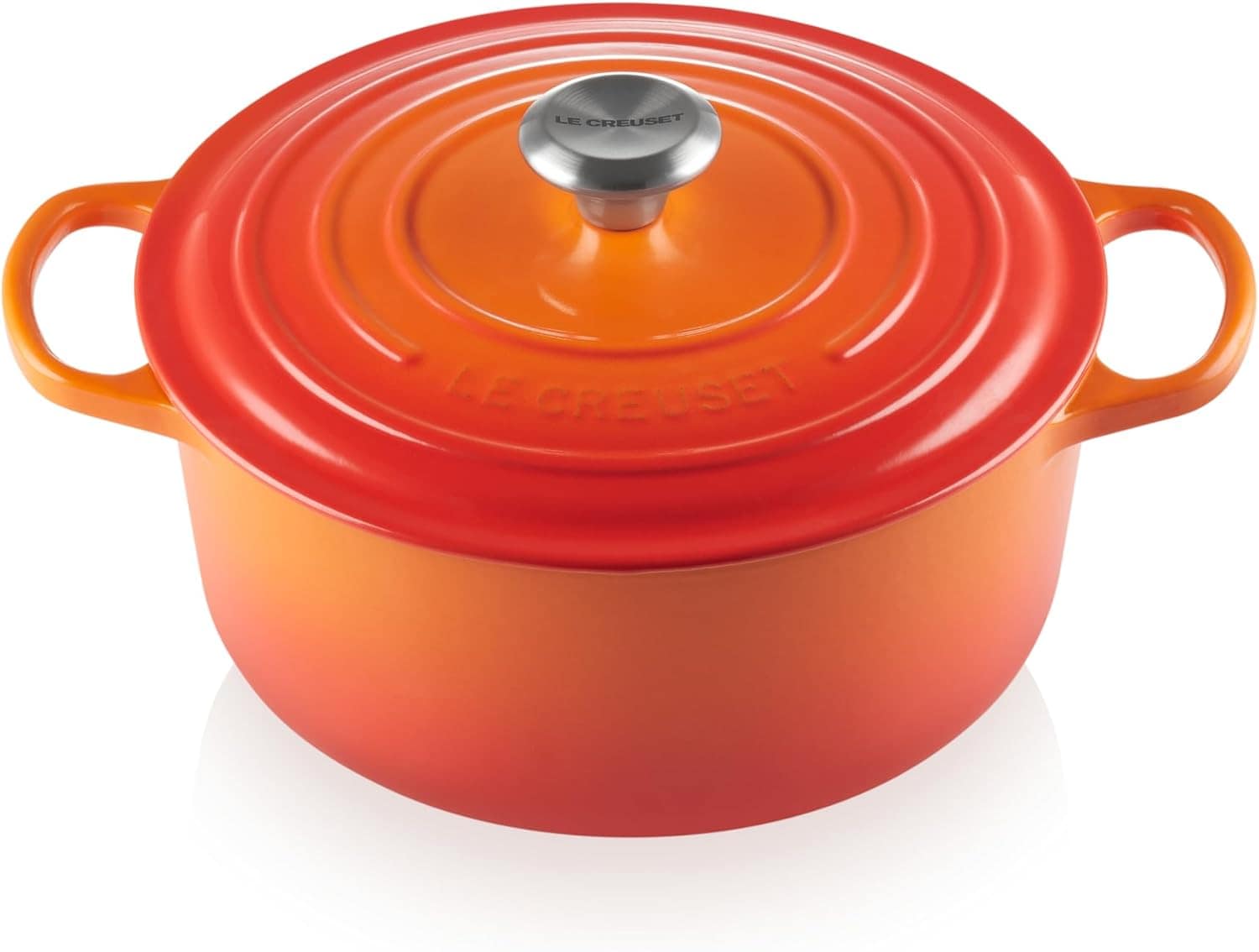
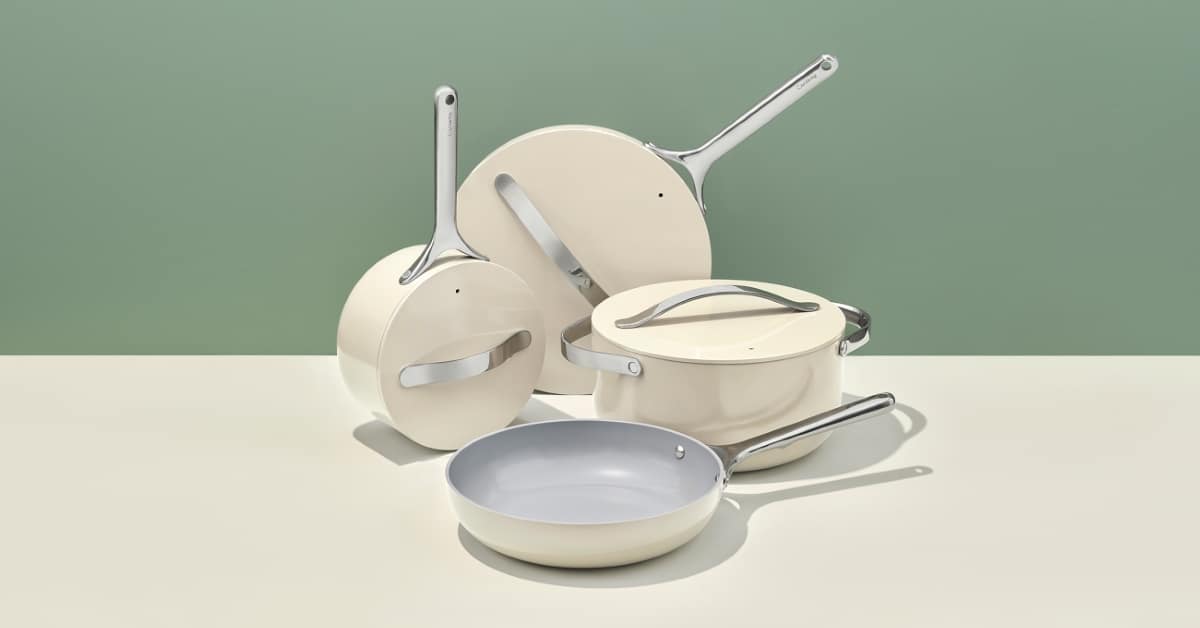
Heat is the biggest driver of plastic and chemical migration, so your pots and pans matter most. Cast iron and enamelled cast iron are naturally non-stick with use and contain zero PFAS or plastic, while fully-clad stainless steel gives you pro-grade performance with no coating to flake. If you want the ease of non-stick, mineral-ceramic skips the PTFE and PFOA of conventional pans.


Rethink your daily coffee and tea
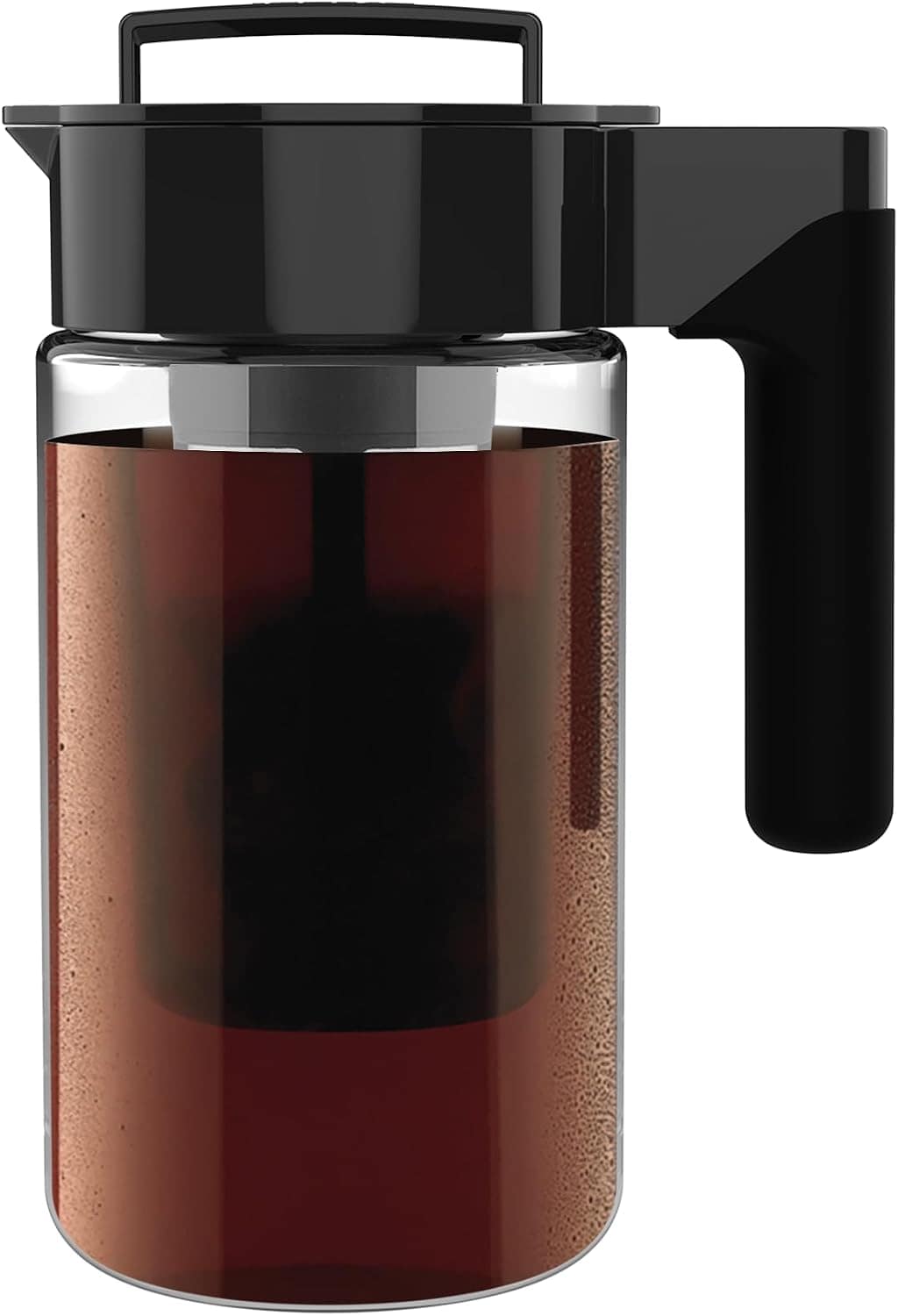
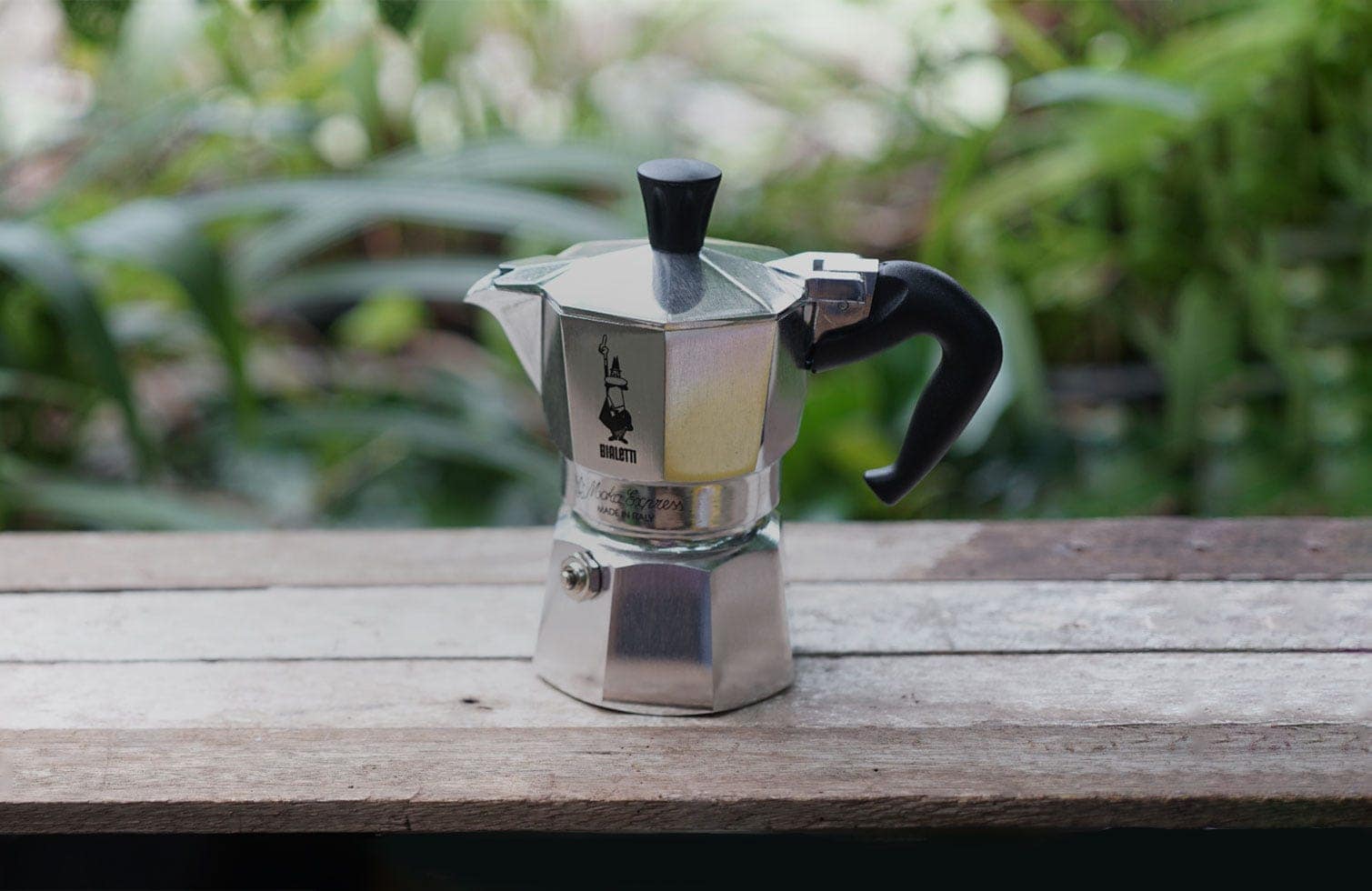
Most drip machines and pod systems run hot water through plastic. An all-glass pour-over, a stainless moka pot or a glass French press keeps your brew off plastic entirely, and most serious coffee drinkers prefer how they taste. Skip plastic-mesh teabags too. A single one can steep billions of microplastic particles into your cup, so reach for loose leaf and a stainless infuser.



Filter your brewing water
Whatever you brew is mostly water, so the water is worth getting right. Boiling hard tap water and then filtering it precipitated out up to about 90% of nano- and microplastics in testing. An electric gooseneck kettle that is stainless where the water touches makes precise, plastic-free brewing easy.

The small swaps that add up
Round it out with the little things you use every day: a bamboo-and-sisal dish brush, a natural loofah scrubber, stainless straws and a bamboo drying rack that will not mould and crack like plastic ones.


Common questions
- Do I need to throw out all my plastic kitchen tools at once?
- No. Start with the items that touch hot, acidic or chopped food, since heat and abrasion drive the most shedding: your cutting board, cooking utensils and any pan you heat. Replace the rest as it naturally wears out.
- Is stainless or cast iron better than non-stick?
- Both avoid the PFAS coatings of conventional non-stick. Cast iron builds its own natural non-stick layer and lasts generations, while stainless is lighter to handle. Mineral-ceramic pans are a non-toxic middle ground if you want easy release.
- Do plastic-free coffee makers change the flavour?
- If anything they improve it. Glass and stainless do not impart any taste of their own, and methods like pour-over, moka and French press are favourites among people who care most about their coffee.
Sources
- Cutting Boards: An Overlooked Source of Microplastics in Human Food? · Environmental Science & Technology (ACS) (2023)
- Plastic Teabags Release Billions of Microparticles and Nanoparticles into Tea · Environmental Science & Technology (ACS) (2019)
- Drinking Boiled Tap Water Reduces Human Intake of Nano- and Microplastics · Environmental Science & Technology Letters (ACS) (2024)
- Microplastic release from the degradation of polypropylene feeding bottles · Nature Food (2020)
- Microplastics Are Everywhere. Here's How to Avoid Eating Them. · NYT Wirecutter (2024)