6 picks · vetted plastic-free
The best microplastic-free cookware and non-stick alternatives
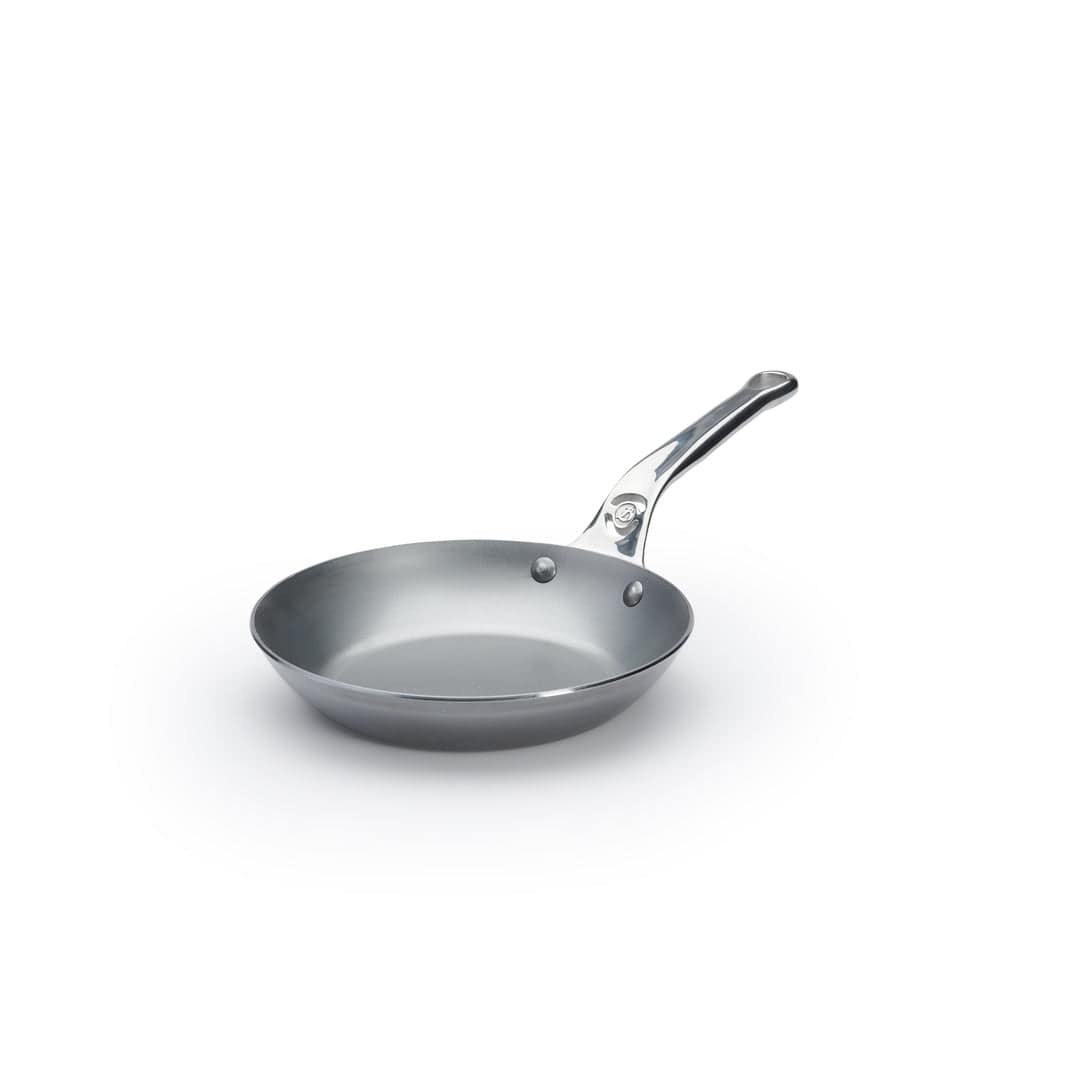
Looking for a non-stick pan that won't shed microplastics into dinner? Cast iron, carbon steel, enamel and fully-clad stainless have no coating to flake, peel or shed.
Non-stick pans are the one kitchen item people already suspect, and rightly: once the coating scratches, it flakes into food, and the FDA notes that food contact is a primary route for micro- and nanoplastic ingestion. Heat and metal utensils make it worse, and every conventional non-stick pan is on a countdown from its first scratch.
The materials below have centuries of use behind them. Cast iron and carbon steel build their own natural non-stick layer, enamel is glass fused to iron, and fully-clad stainless is the workhorse of every professional kitchen. None of them contain a coating that can end up on your plate.

Beyond the frying pan: sets, dutch ovens and braisers
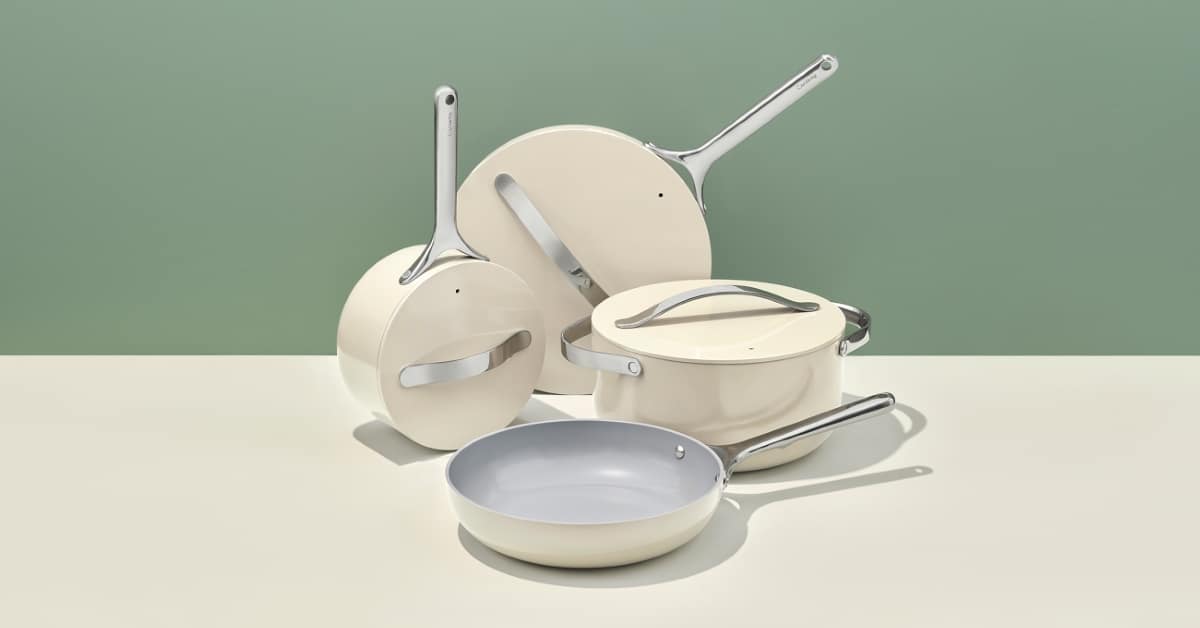
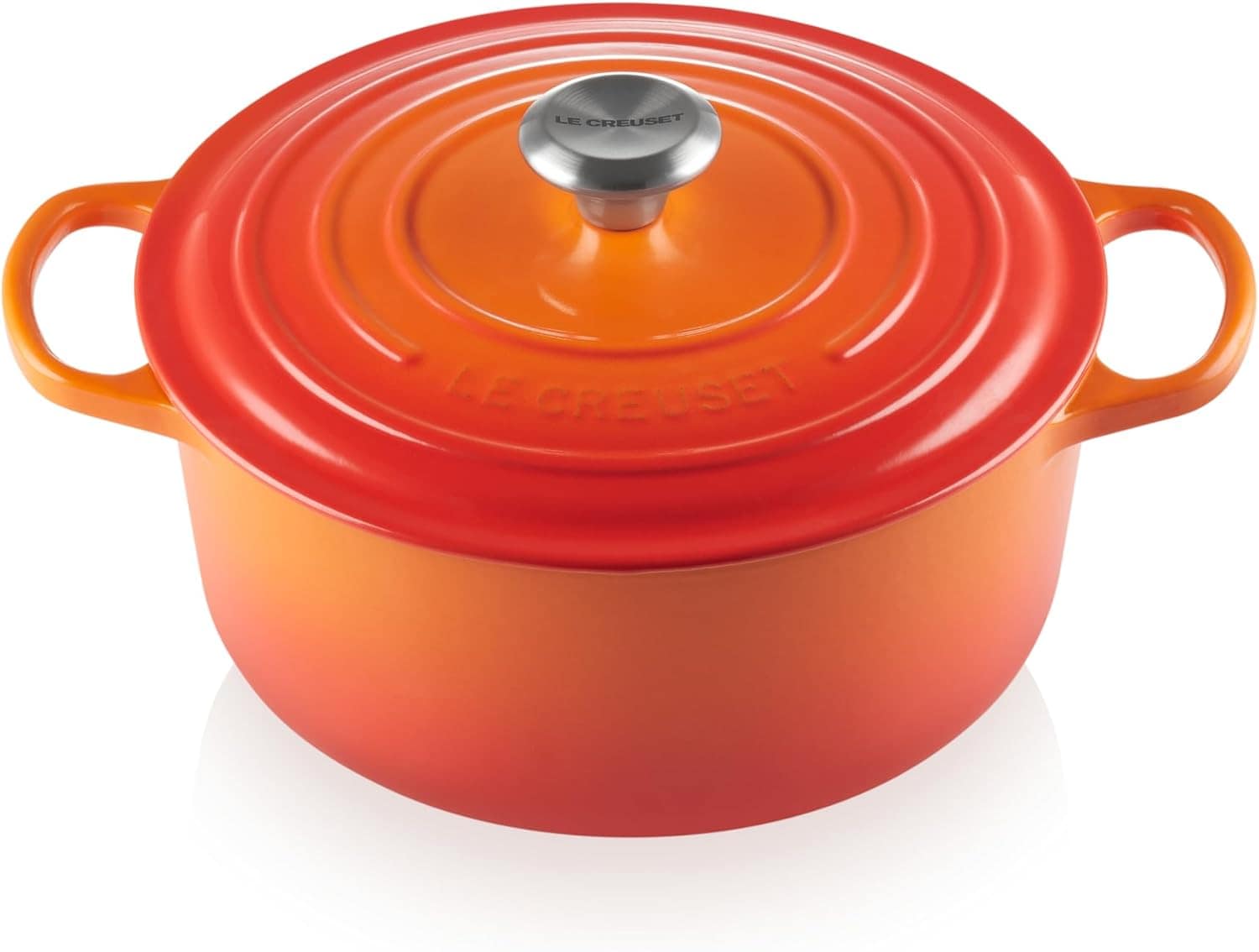
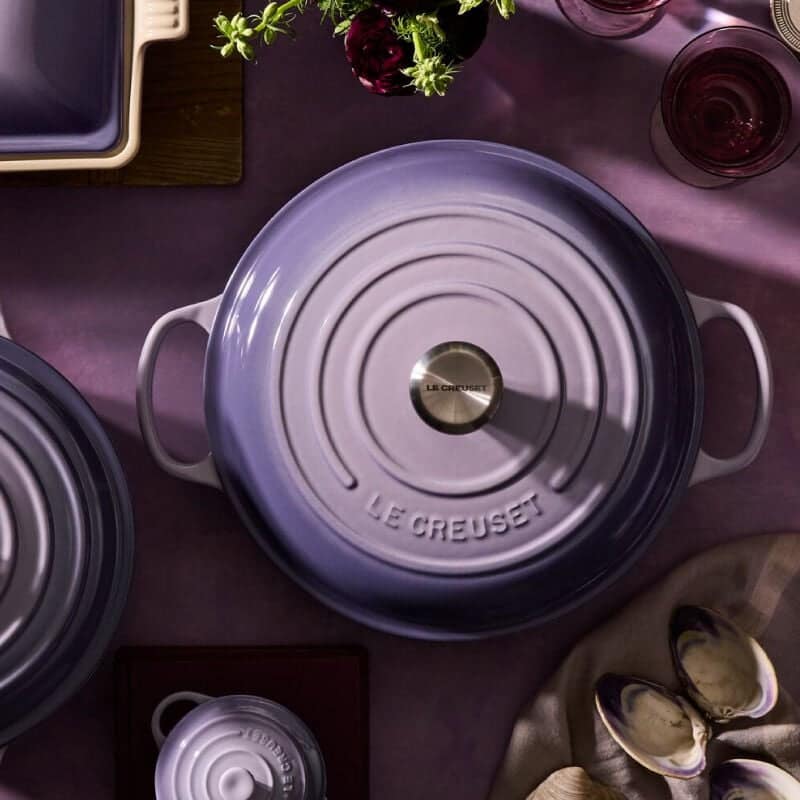
The same four materials scale up to everything else on the stove. Fully-clad stainless covers the whole cabinet in one set, and enameled cast iron handles the low-and-slow work with a glass surface that never sheds.

Common questions
- What cookware does not have microplastics?
- Anything with no plastic part and no polymer coating: bare cast iron, carbon steel, enameled cast iron, and fully-clad stainless steel. Those four materials cover every pick on this page, and none of them can shed microplastics because none of them contain plastic to shed.
- Is there a non-stick pan without microplastics?
- Yes, by two routes. A seasoned cast iron or carbon steel pan builds its natural release layer out of baked-on oil, with no polymer involved. If you want easy release from day one, a mineral-ceramic coating like Caraway's skips the PTFE and PFOA of conventional non-stick.
- Is scratched non-stick cookware really a problem?
- A scratched coating is actively shedding: the material that used to be on the pan is now in the food. If a non-stick pan is scratched, most manufacturers themselves advise replacing it. The picks here avoid the issue by having no coating to lose, or, in the ceramic case, a mineral coating with no PTFE or PFOA.
- Isn't cast iron hard to look after?
- Less than its reputation suggests. Wash it, dry it, wipe it with a drop of oil. It cannot be ruined in any way a re-season will not fix, which is why the same pan gets handed down for generations.
- What is the best non-stick alternative for eggs?
- A well-seasoned carbon steel or cast iron pan releases eggs cleanly once hot. If you want guaranteed easy release from day one, mineral-ceramic non-stick skips the PTFE and PFOA of conventional coatings.
- Does stainless steel leach anything?
- Stainless is one of the most inert cooking surfaces available and is the standard in professional kitchens. Tiny amounts of nickel and chromium can migrate with very acidic foods, which is normal and within safe limits for almost everyone, and it sheds no plastic at any temperature.
Sources