10 picks · vetted plastic-free
The best plastic-free baby products
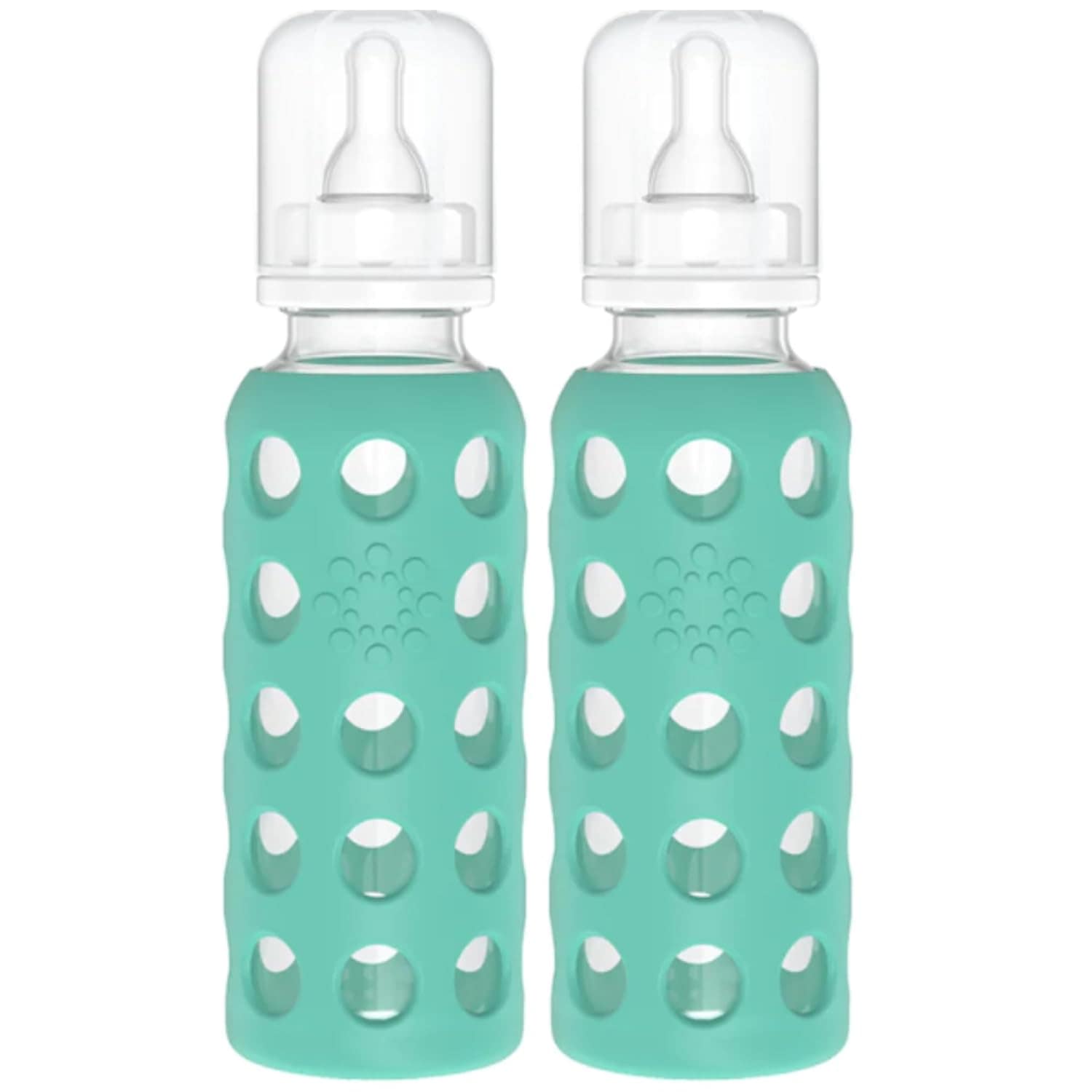
Formula prepared in a plastic bottle can carry millions of microplastic particles per litre. Glass, steel, wood and cotton bring that near zero.
Babies get the highest microplastic dose of any age group, and the baby bottle is the reason. Nature Food showed in 2020 that polypropylene bottles shed up to 16 million particles per litre during standard hot formula prep, and infants also mouth, chew and drool on more plastic than anyone else in the house.
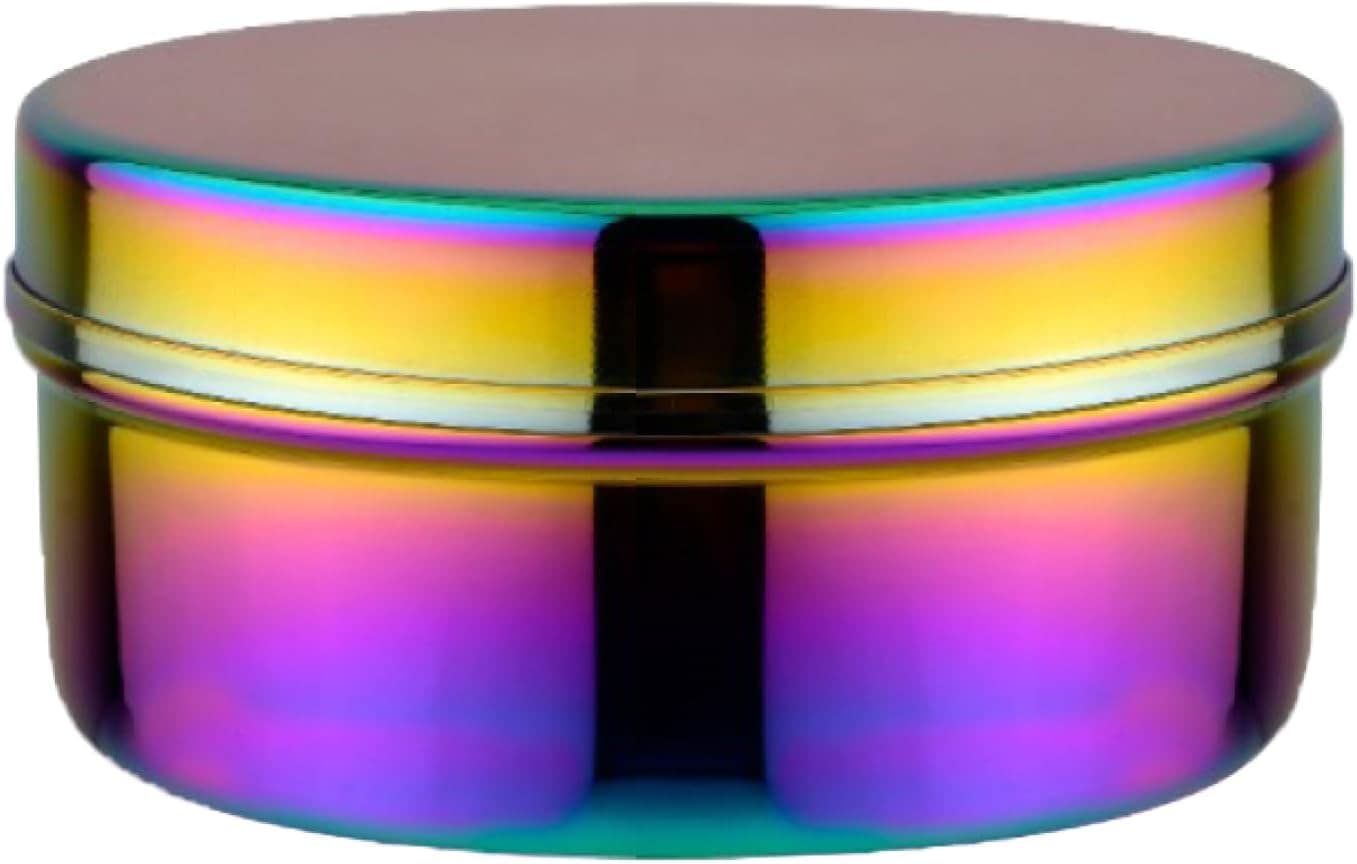
This is the category where materials matter most and the alternatives are most proven: glass bottles, stainless food storage, wooden toys, natural-rubber and silicone teethers, and cotton against skin. Everything below is the boring, durable version that nurseries used before plastic.
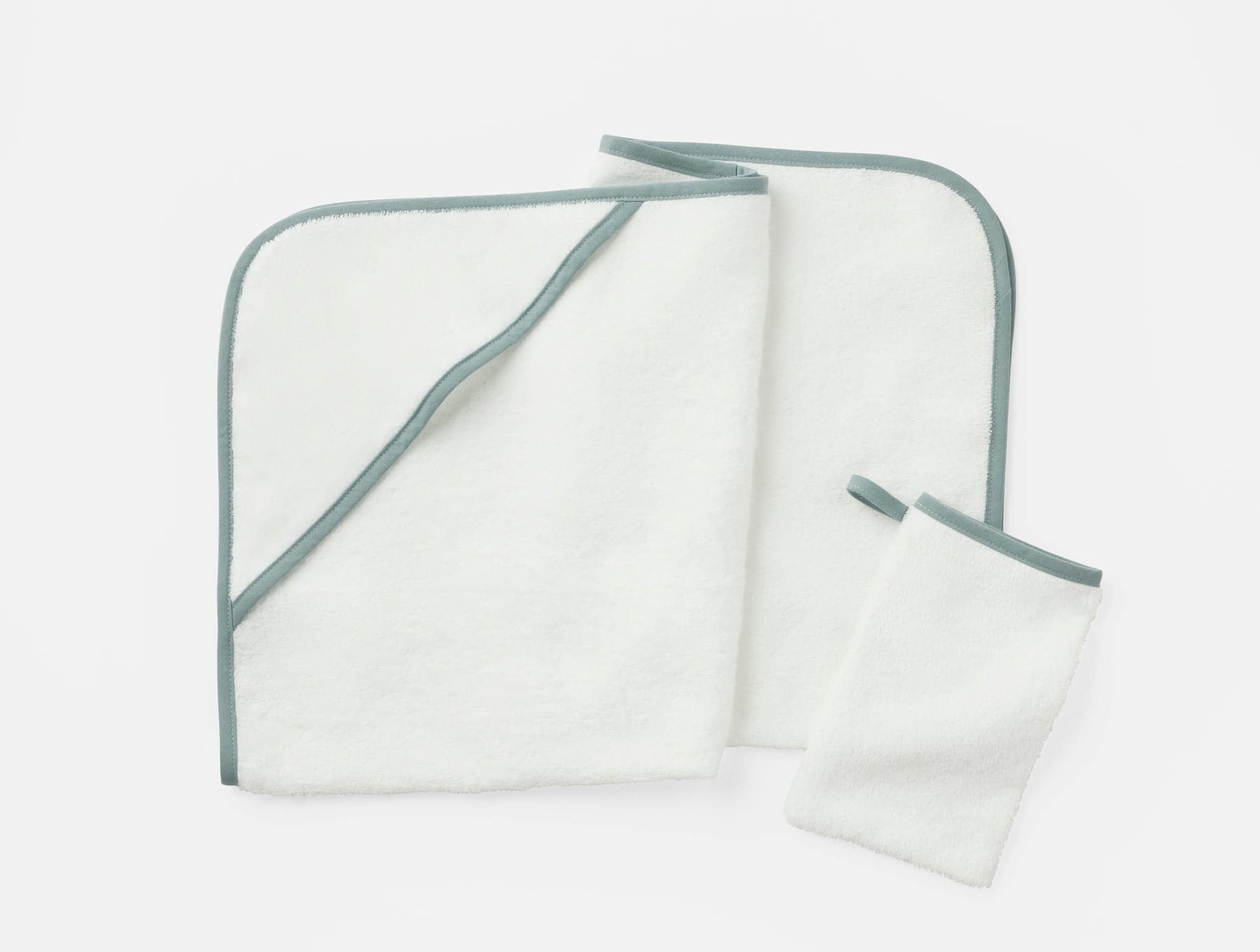
Diapering and washing
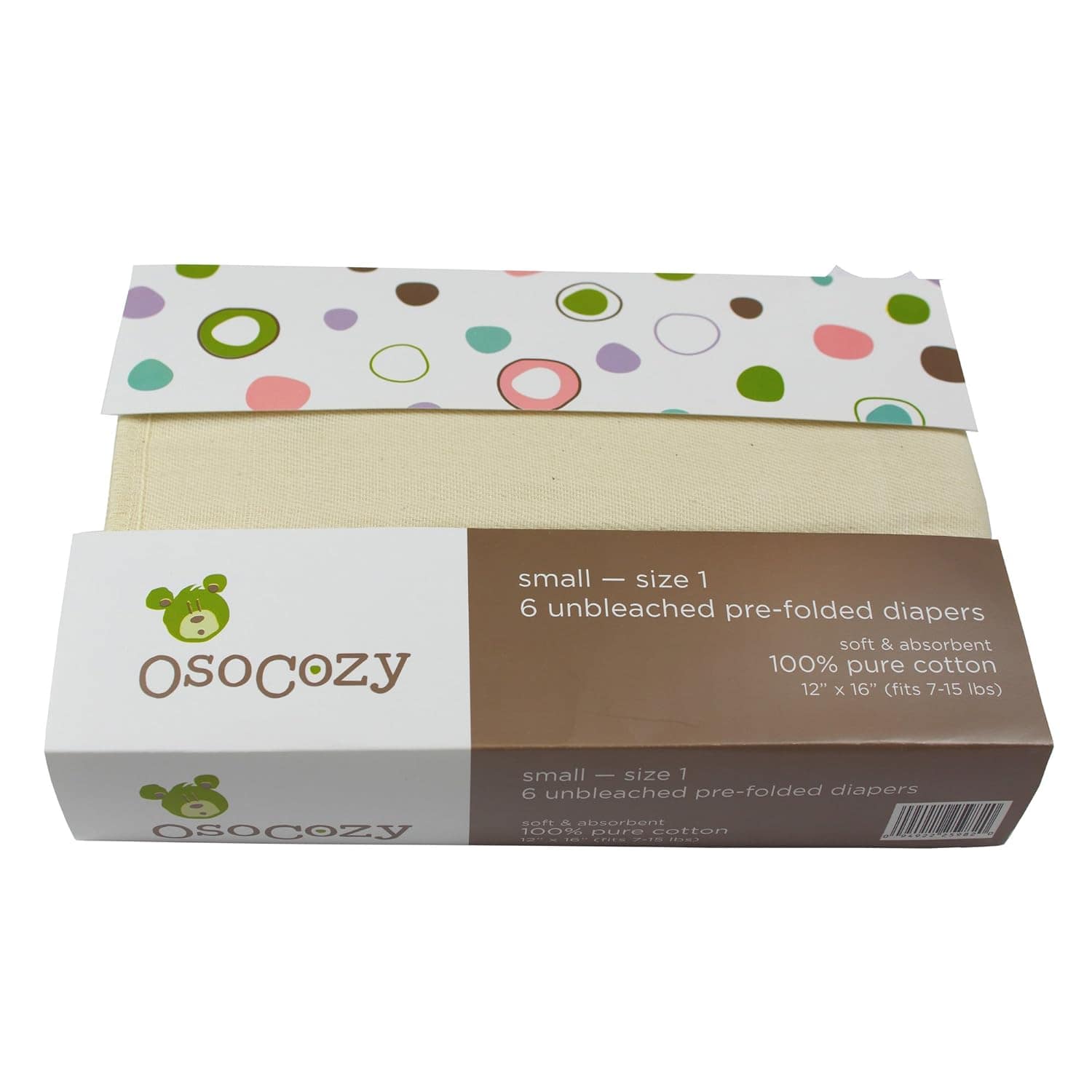
Cotton prefolds and washable wipes replace the two biggest single-use streams in a baby's first years, and organic cotton towels handle bath time.

Play and sleep
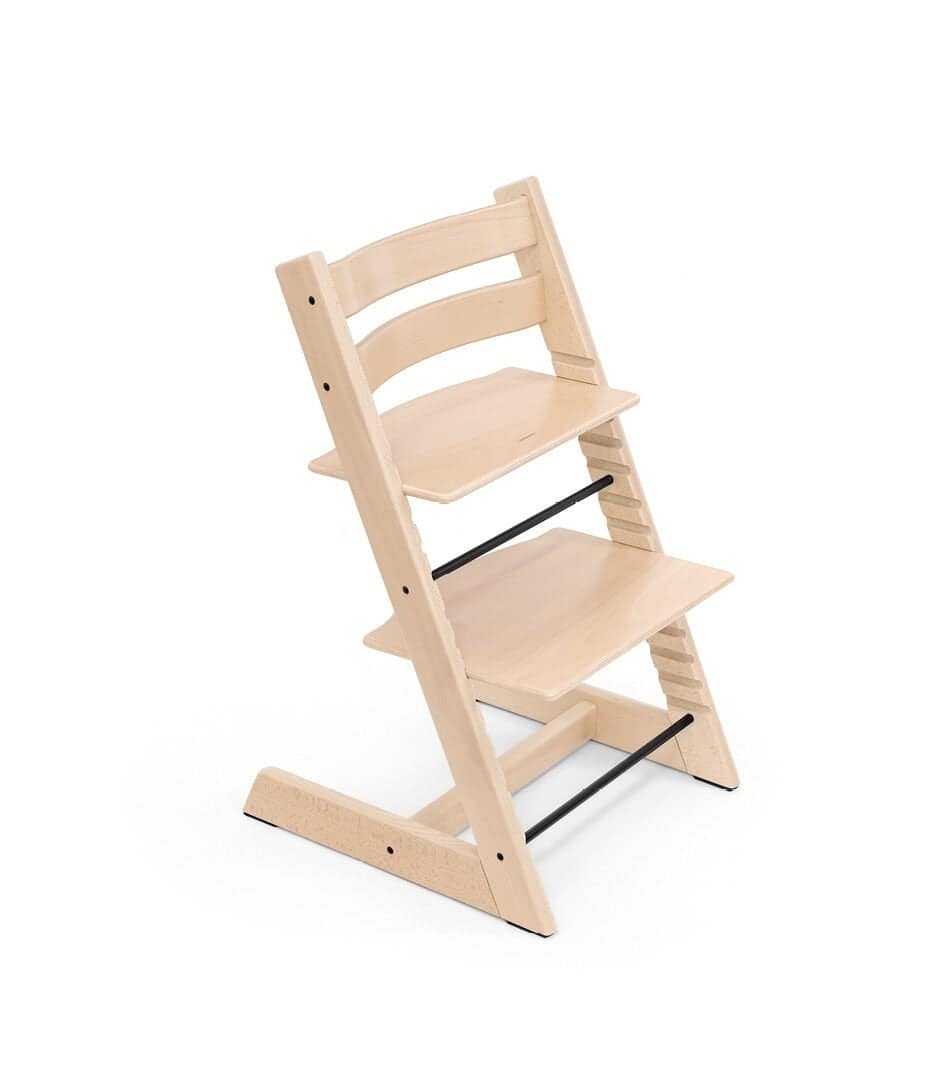
Wood and food-grade silicone cover the mouthing years, and the crib setup is organic cotton and solid wood rather than foam and polyester.


Common questions
- How do baby bottles shed microplastics?
- The 2020 Nature Food study found that sterilizing polypropylene bottles and preparing formula with hot water, exactly as the instructions say, released between about 1 and 16 million microplastic particles per litre. Glass bottles prepared the same way shed essentially none, which is why glass with a silicone sleeve is our default pick.
- Are silicone teethers really plastic-free?
- Food-grade silicone is a silicon-oxygen polymer rather than a petroleum plastic, and it holds up to heat, saliva and chewing far better. For fully plastic-free teething, untreated wood is the traditional answer and works just as well.
- Do cloth diapers actually save anything?
- A baby uses roughly 5,000-6,000 disposable diapers, each part plastic. A rotation of cotton prefolds plus covers replaces nearly all of them, washes hundreds of times, and usually pays for itself within months.
- What is the single most important swap for a baby?
- The bottle, without question: it is heated plastic in daily direct contact with everything your baby drinks. Glass bottles cost a few dollars more and remove the largest measured exposure in the research.
Sources