Guide · 4 min read
A lower-plastic start for babies and kids
Heat plus plastic is a particular concern for babies. The fixes are simple, and reassuring.
Heat and plastic together are a specific worry for the youngest, because bottles get sterilised and filled with hot liquid. A 2020 study found polypropylene baby bottles can release up to around 16 million microplastic particles per litre during hot formula prep. The swaps here are simple, and they target exactly where it matters most.
Bottles and feeding
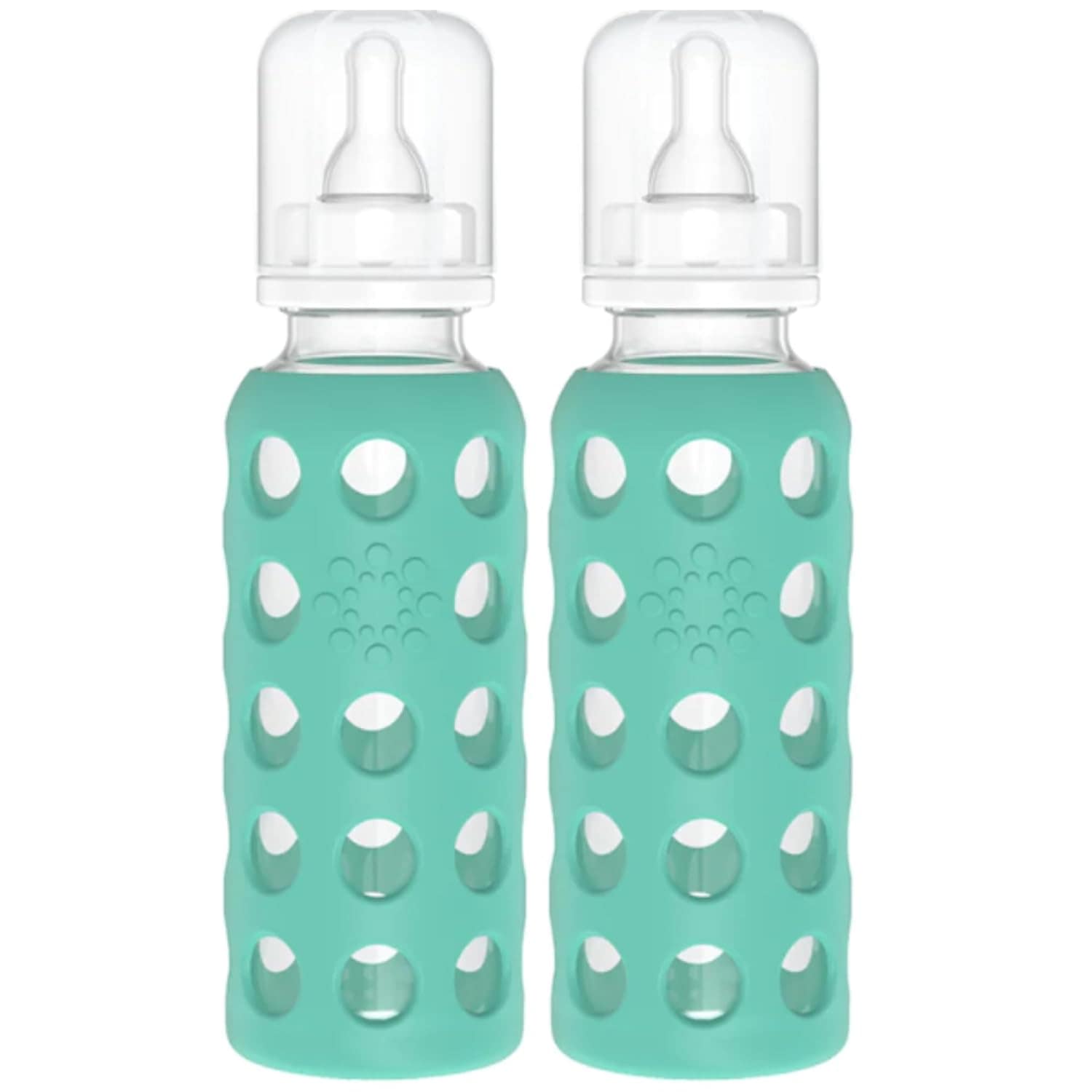
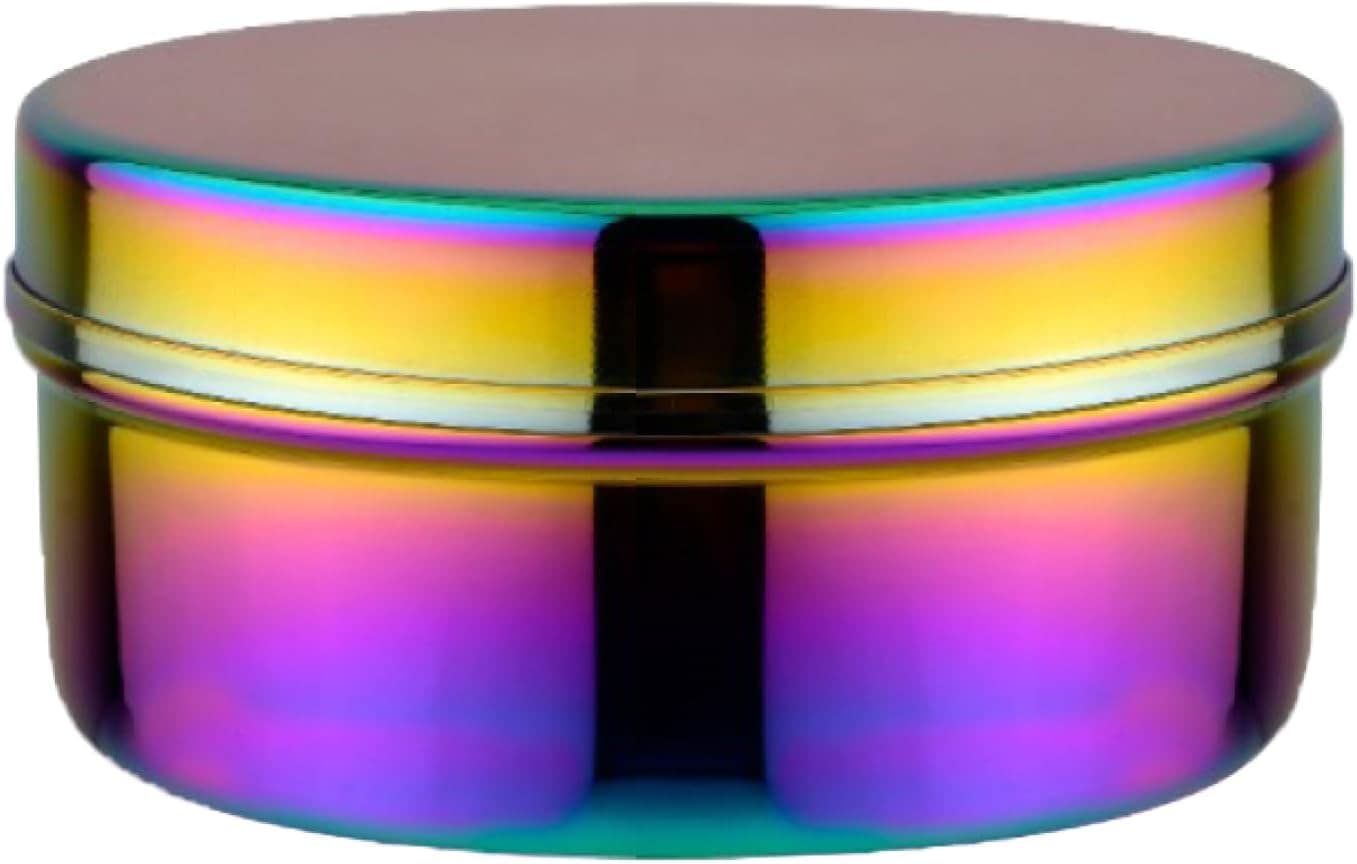
Glass and stainless steel bottles keep plastic off hot milk entirely, and letting boiled water cool before mixing cuts release further. Stainless feeding sets do the same for first foods, with nothing to crack or stain.
Diapers and wipes
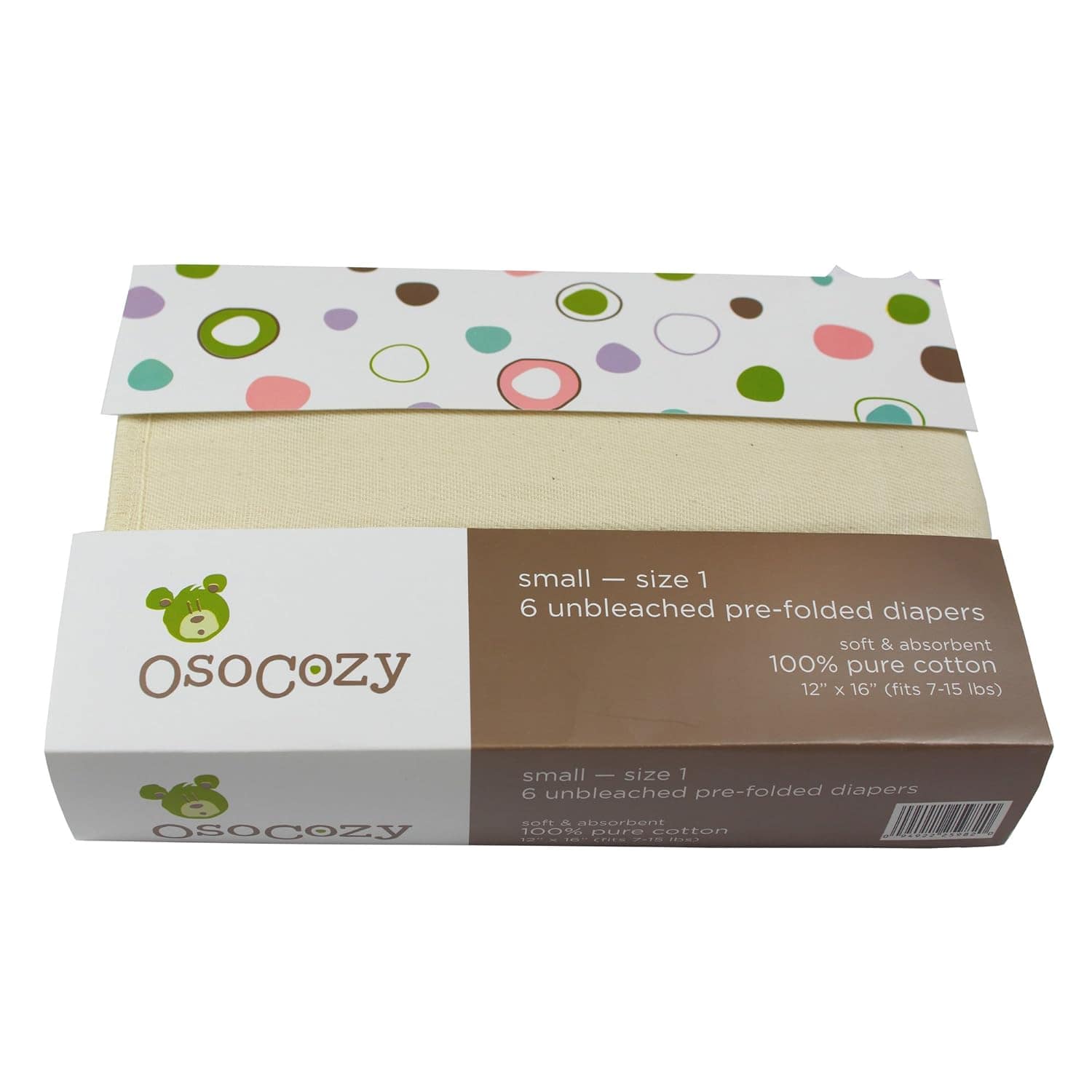
Cloth prefold diapers and reusable organic-cotton wipes replace plastic-lined disposables, are machine-washable, and serve more than one child, which makes them gentler on both skin and budget.

Toys and furniture
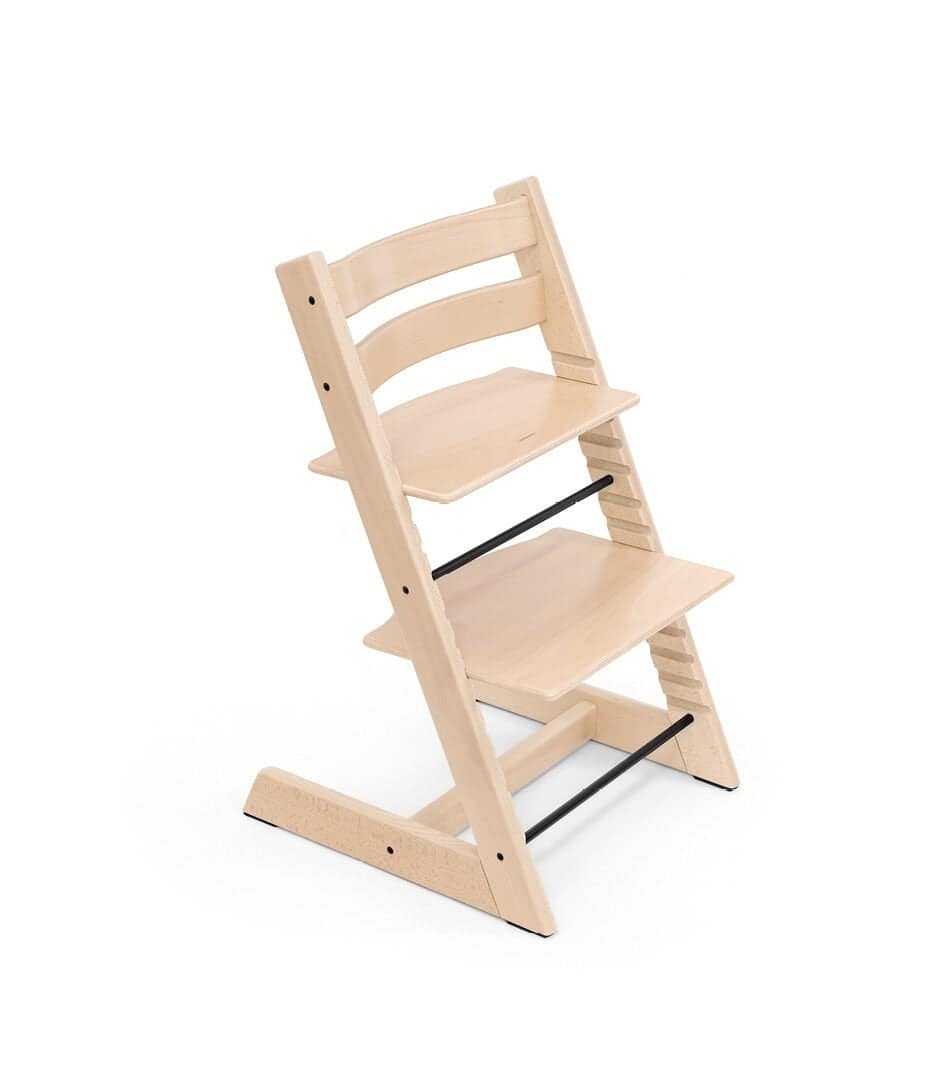
For the things babies put in their mouths most, choose wood toys with water-based finishes, food-grade silicone teethers, and a wooden high chair that grows with them instead of a moulded-plastic seat.


Common questions
- Do I have to replace plastic baby bottles right away?
- If you keep using them, prepare formula in a non-plastic container and let it cool before transferring, since heat drives most of the shedding. Glass and stainless bottles avoid the issue entirely.
- Are wooden and silicone toys safe for babies?
- Yes. Choose wood with water-based, non-toxic finishes and food-grade silicone for teethers. Both are made to be mouthed and avoid the soft plastics and additives of many conventional toys.
Sources
- Microplastic release from the degradation of polypropylene feeding bottles · Nature Food (2020)
- Drinking Boiled Tap Water Reduces Human Intake of Nano- and Microplastics · Environmental Science & Technology Letters (ACS) (2024)
- Microplastics everywhere: Are we facing a new health crisis? · World Economic Forum (2025)