7 picks · vetted plastic-free
The best plastic-free bedding
You spend a third of your life against your sheets. Cotton, linen and wool shed no plastic; polyester bedding does.
Bedding is the textile you are in contact with more than any other, roughly a third of every day, breathing right against it. Most budget sheets are polyester or a poly-cotton blend, which is to say plastic, and synthetic textiles shed microfibres constantly through wear and every wash. Polyester bedding also traps heat and moisture in a way natural fibres do not.
Organic cotton, linen and wool fix all of it at once. They breathe, they get softer with age instead of pilling, and they shed cellulose or protein rather than plastic. The sets below are the natural-fibre bedding worth sleeping in.


Duvets, blankets and pads
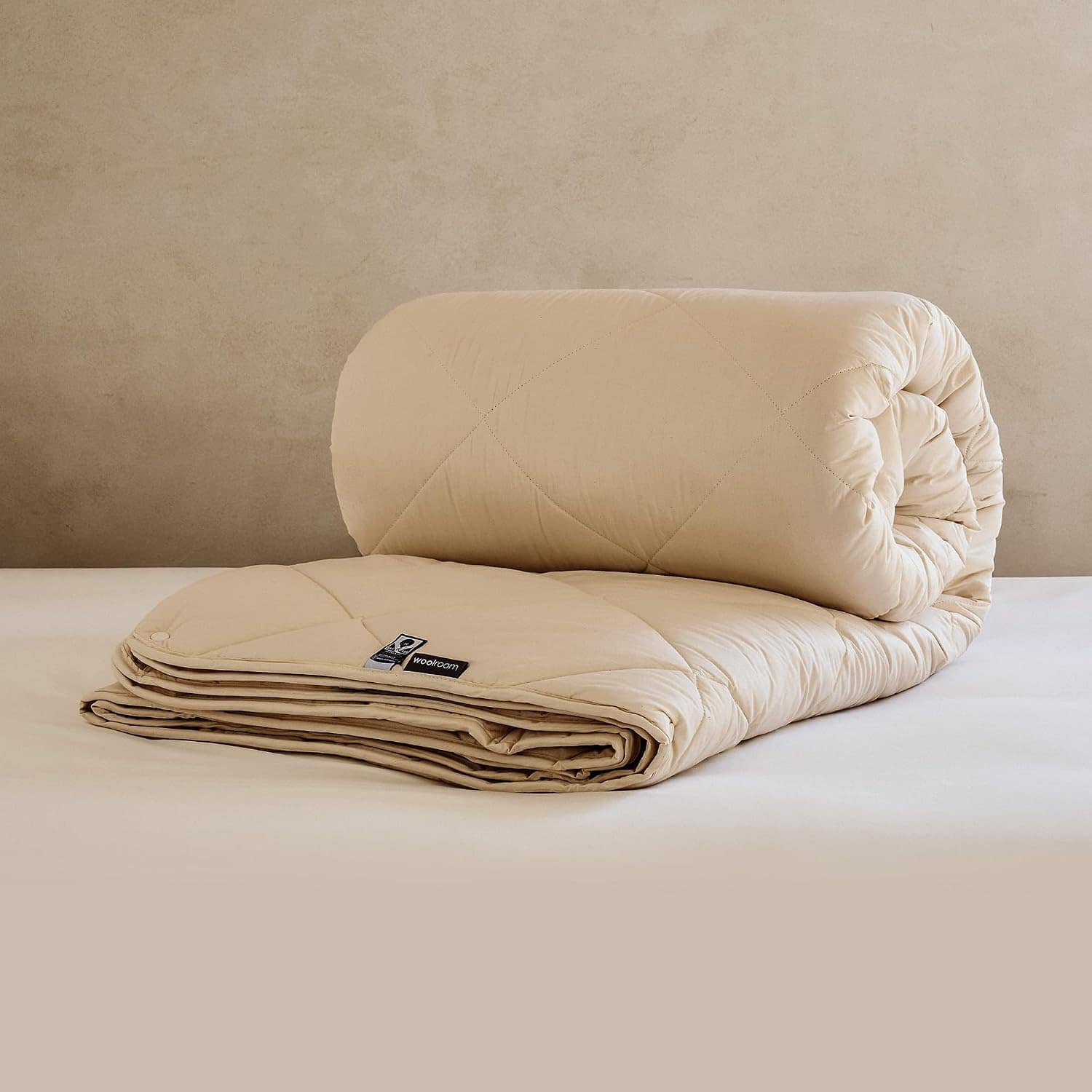
The layers you cannot see matter too: a wool duvet regulates temperature without polyester fill, a wool mattress pad adds a natural barrier over the mattress, and a washable wool blanket replaces the acrylic throw.

The pillowcase to take travelling
Hotel pillows are usually polyester fill inside a poly-cotton case, and your face is against one for eight hours. A GOTS organic cotton travel pillowcase weighs almost nothing in a bag and goes straight over whatever is already on the bed.

Common questions
- Why avoid polyester sheets?
- Polyester is plastic, and synthetic textiles shed microfibres continuously, in the wash and through everyday abrasion. Since bedding is against your skin for a third of the day and washed often, it is a high-contact, high-shedding item worth switching to natural fibre first.
- What does organic cotton actually change?
- Organic certification means the cotton was grown without synthetic pesticides and processed without the harsh finishing chemicals, and reputable labels like GOTS verify it through the whole supply chain. You also avoid the wrinkle-resist resins that can off-gas formaldehyde on conventional sheets.
- Cotton, linen or wool?
- Cotton is the soft all-rounder, linen is the breathable choice that sleeps cool and lasts decades, and wool is the temperature-regulating layer for duvets and pads. Many people mix them: linen sheets, wool duvet.
- Do natural-fibre sheets need special washing?
- No, just gentler habits that also cut fibre shedding across all textiles: warm or cool water, a full load, and line or low-heat drying. They reward it by lasting years longer than synthetics.
Sources