Guide · 4 min read
A lower-plastic bedroom
Synthetic mattresses and bedding shed microfibres every night and every wash. Natural fibres breathe, and don't.
You spend a third of your life in the bedroom, much of it against synthetic foam and fibres that shed microplastics as they age and launder. Natural materials, organic latex, wool, cotton, linen and jute, are breathable, durable, and do not release synthetic microfibres into your home.
Sleep on natural fibres
An organic latex mattress, or a latex-and-wool topper over your existing one, skips the polyurethane foam and off-gassing plastics of conventional mattresses. A topper is a lower-cost way to get most of the benefit.


Bedding that doesn't shed
GOTS organic-cotton and European-linen sheets, a wool duvet and a washable wool blanket will not release the synthetic microfibres that polyester bedding sheds in the wash, and they regulate temperature far better.


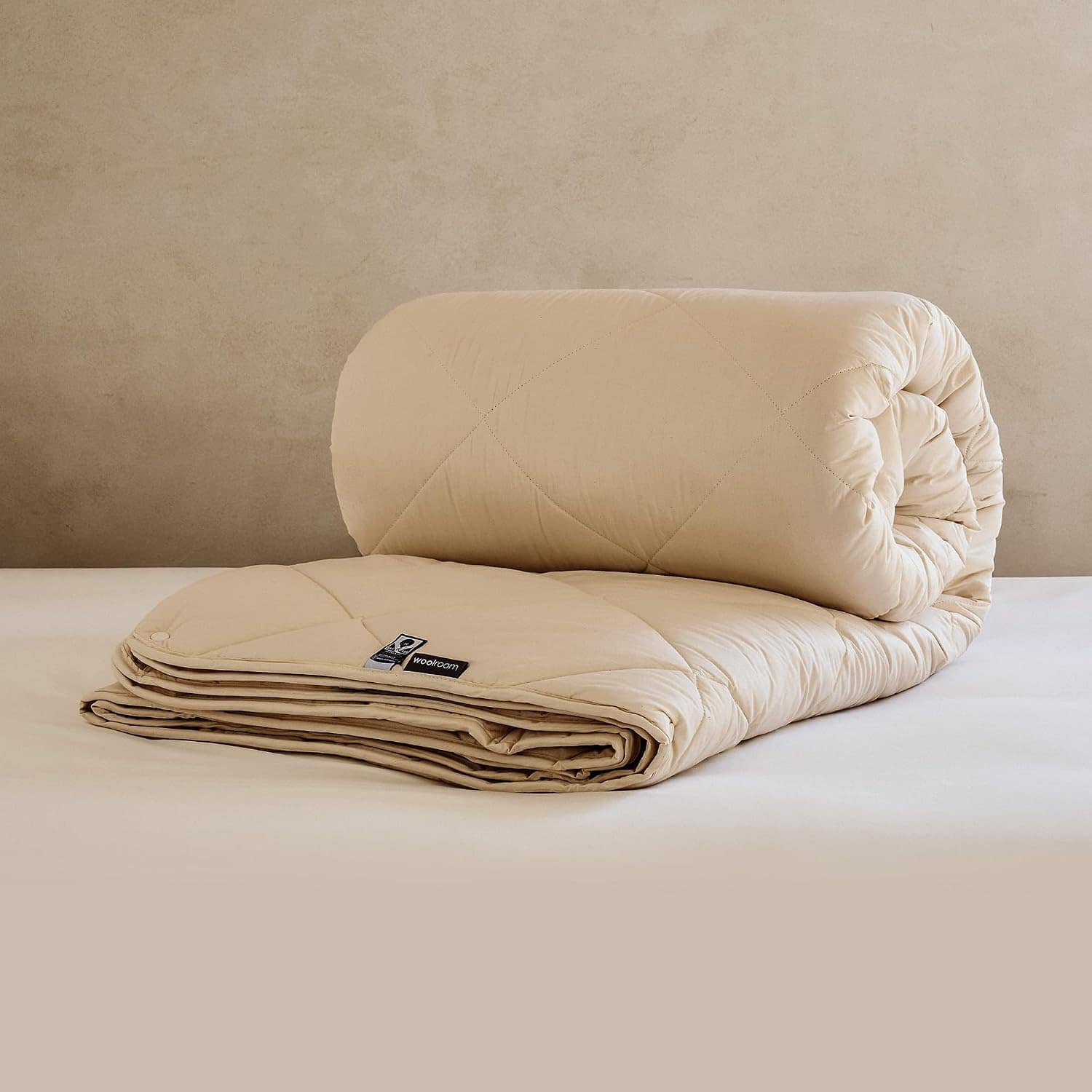
Underfoot
A hand-woven jute rug is fully biodegradable, with no synthetic fibre or plastic backing to break down into dust over the years.

Common questions
- Do natural-fibre sheets really shed fewer microplastics?
- Yes. Polyester and poly-blend bedding release synthetic microfibres every wash, which is a documented microplastic pathway. Pure organic cotton, linen, wool and jute do not.
- Are natural latex mattresses worth the price?
- For many people, yes. They avoid the polyurethane foam and flame-retardant chemistry of conventional mattresses and last a long time. A latex topper over your current mattress is a lower-cost way to get most of the benefit.
Sources