Guide · 5 min read
How to protect your baby from microplastics
Bottle-fed infants swallow more microplastic than anyone else in the house. The research points at exactly which swaps matter.
Infants carry the highest measured microplastic exposure of any age group, and the reasons are specific rather than mysterious: hot formula prepared in polypropylene bottles, plastic everything during the mouthing years, and more hand-to-mouth contact than any adult. Nature Food's 2020 bottle study measured up to 16 million particles per litre from standard formula prep. The flip side of such a concentrated source is that a few targeted swaps remove most of the dose.
Start with the bottle
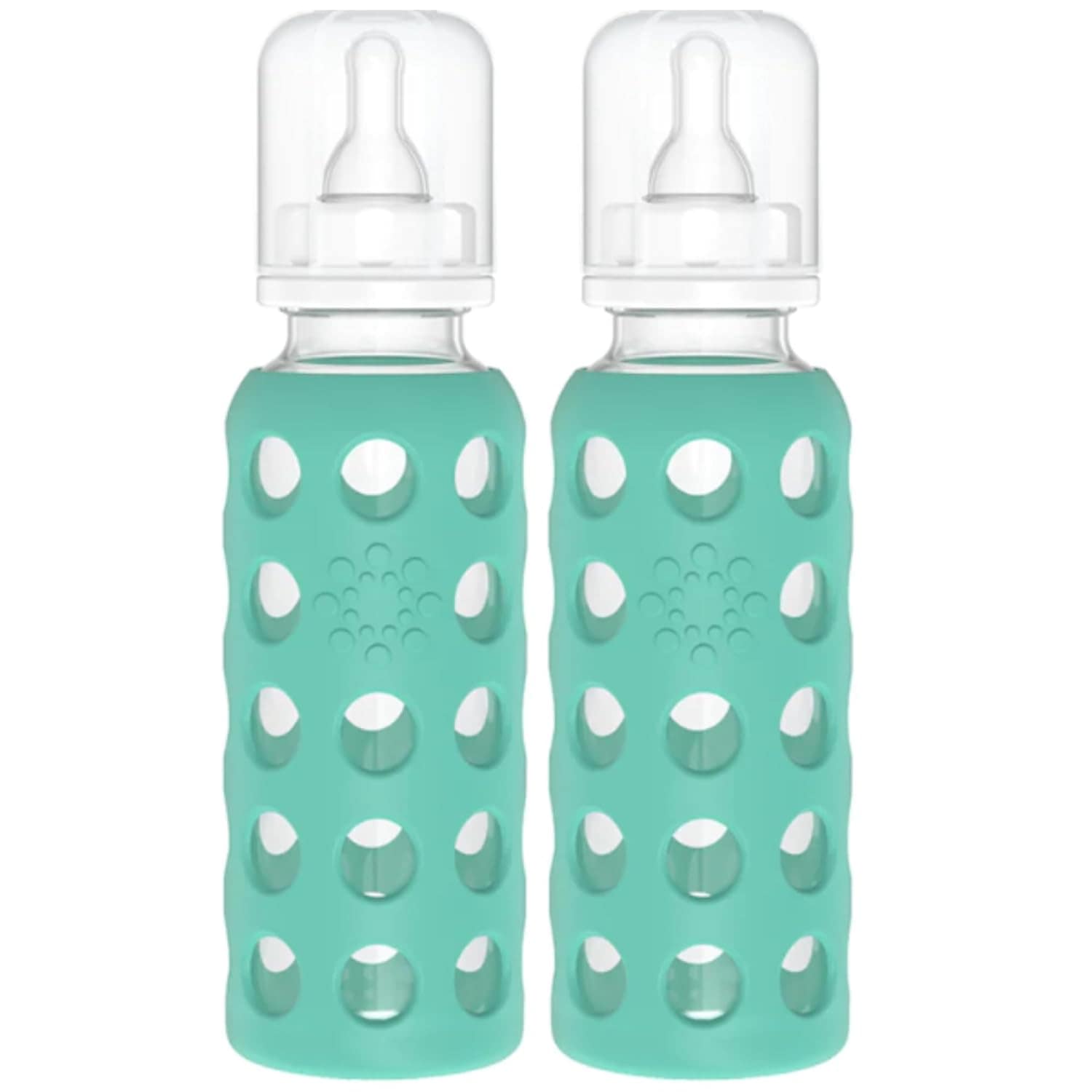
The Nature Food protocol was just the instructions on the tin: sterilize the polypropylene bottle, shake hot formula in it, serve. That routine released between roughly 1 and 16 million microplastic particles per litre. Borosilicate glass bottles prepared identically shed essentially none, and silicone sleeves solve the drop worry.
Prepare formula the low-shed way
If plastic bottles stay in your rotation, the researchers' own advice reduces the dose: boil water in a non-plastic kettle, prepare formula in glass or steel, let it cool, then transfer. Never shake hot liquid in plastic, and skip microwaving plastic bottles entirely.

The mouthing years
Everything within reach goes in the mouth for a couple of years, so the objects that live in the crib and on the floor matter. Untreated wood and food-grade silicone stand up to chewing without shedding petroleum plastic, which is why they are the traditional and the modern answer to the same problem.


Where they sleep and what touches skin
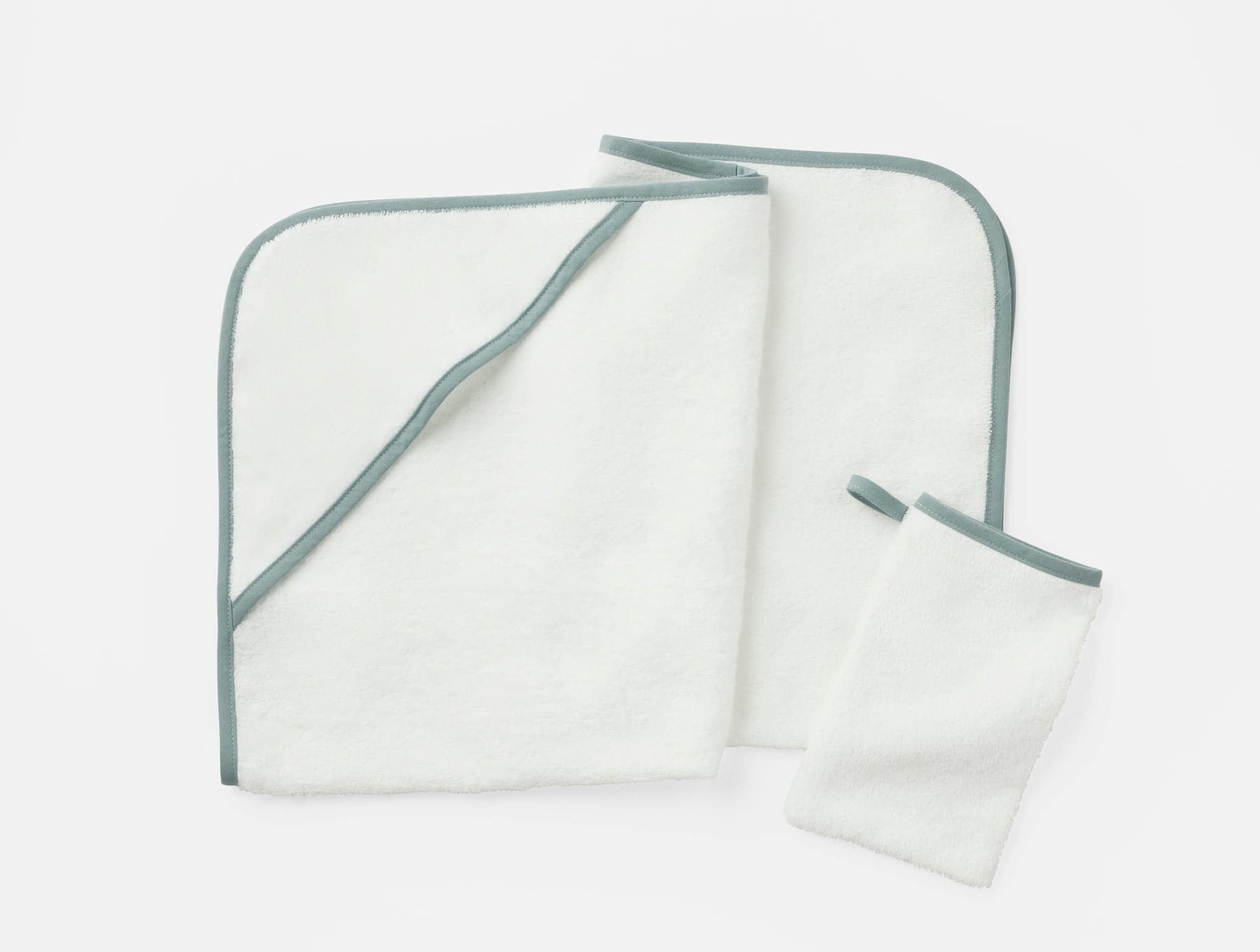
A baby spends more than half its early life asleep, face-down against the sleep surface. Organic cotton and wool sleep products replace the polyurethane foam and polyester of conventional nursery textiles in the highest-contact hours of the day.


Common questions
- Should I throw away our plastic baby bottles?
- If switching to glass is easy for you, it removes the largest measured source outright. If not, the preparation changes alone, preparing formula outside the bottle and never shaking or microwaving hot liquid in it, cut the dose substantially.
- Are secondhand plastic toys worse?
- Aged, scratched plastic sheds more than new plastic, and older toys can predate current chemical rules. Wood and silicone sidestep both problems, secondhand or new.
- Do sippy cups have the same problem as bottles?
- Same material, same physics: hot liquid and dishwasher cycles age the plastic and increase shedding. Stainless steel versions with silicone spouts are widely available and survive being thrown from a high chair indefinitely.
Sources
- Microplastic release from the degradation of polypropylene feeding bottles · Nature Food (2020)
- Microplastics and Nanoplastics in Atheromas and Cardiovascular Events · New England Journal of Medicine (2024)
- Humans Now Ingest Six Times More Microplastics Than In 1990 · Health Policy Watch (2024)
- Microplastics everywhere: Are we facing a new health crisis? · World Economic Forum (2025)