Guide · 5 min read
How to avoid microplastics in your food
You eat more plastic than you think, but most of it comes from a handful of controllable sources. Here is where the dose actually comes from.
The average person now swallows tens of thousands of microplastic particles a year, six times more than in 1990, and the FDA confirms food contact is a primary route in. The encouraging part of the research is how concentrated the sources are: a few habits around packaging, heat and preparation account for most of the measurable dose, which means a few swaps remove most of it.
Unwrap it and move it
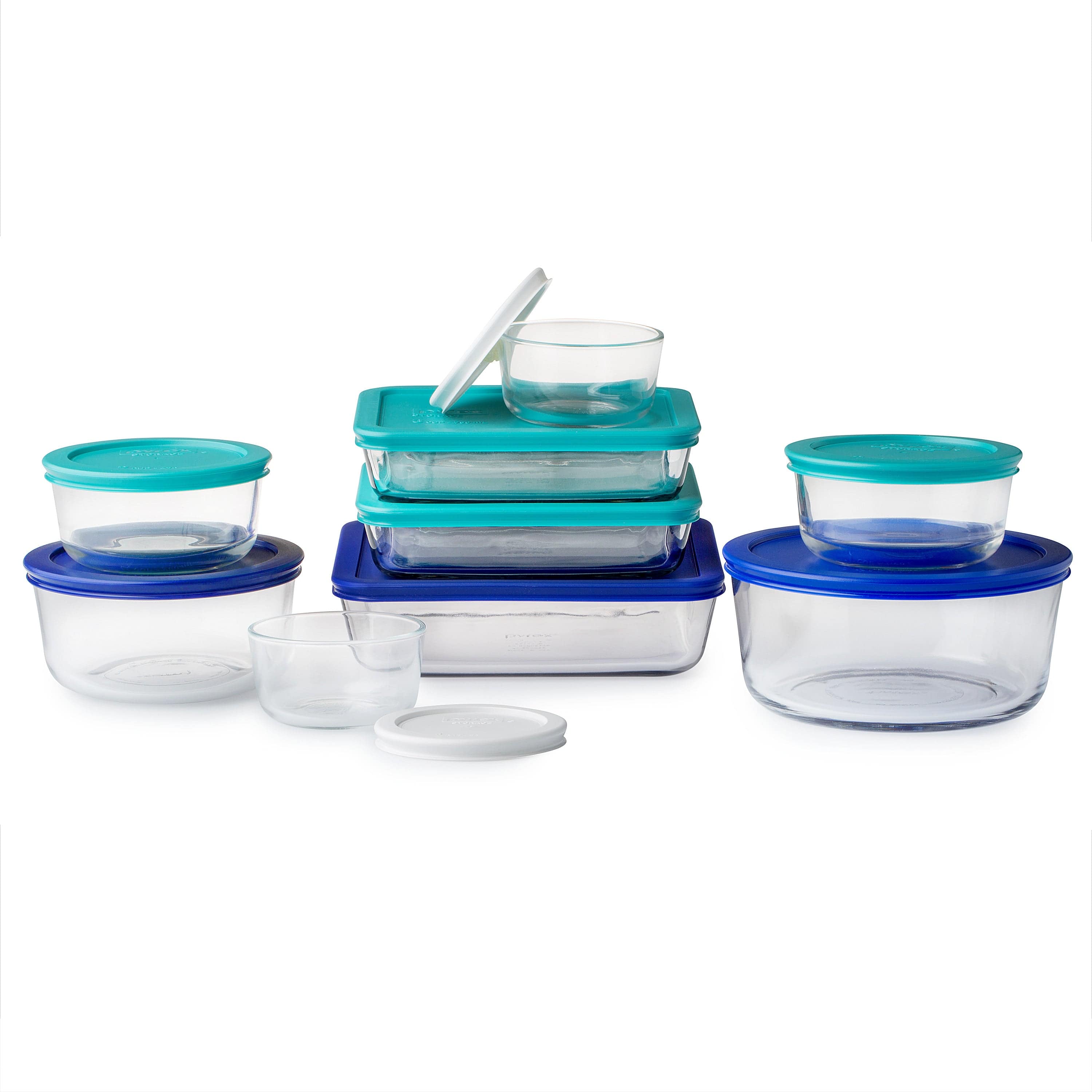
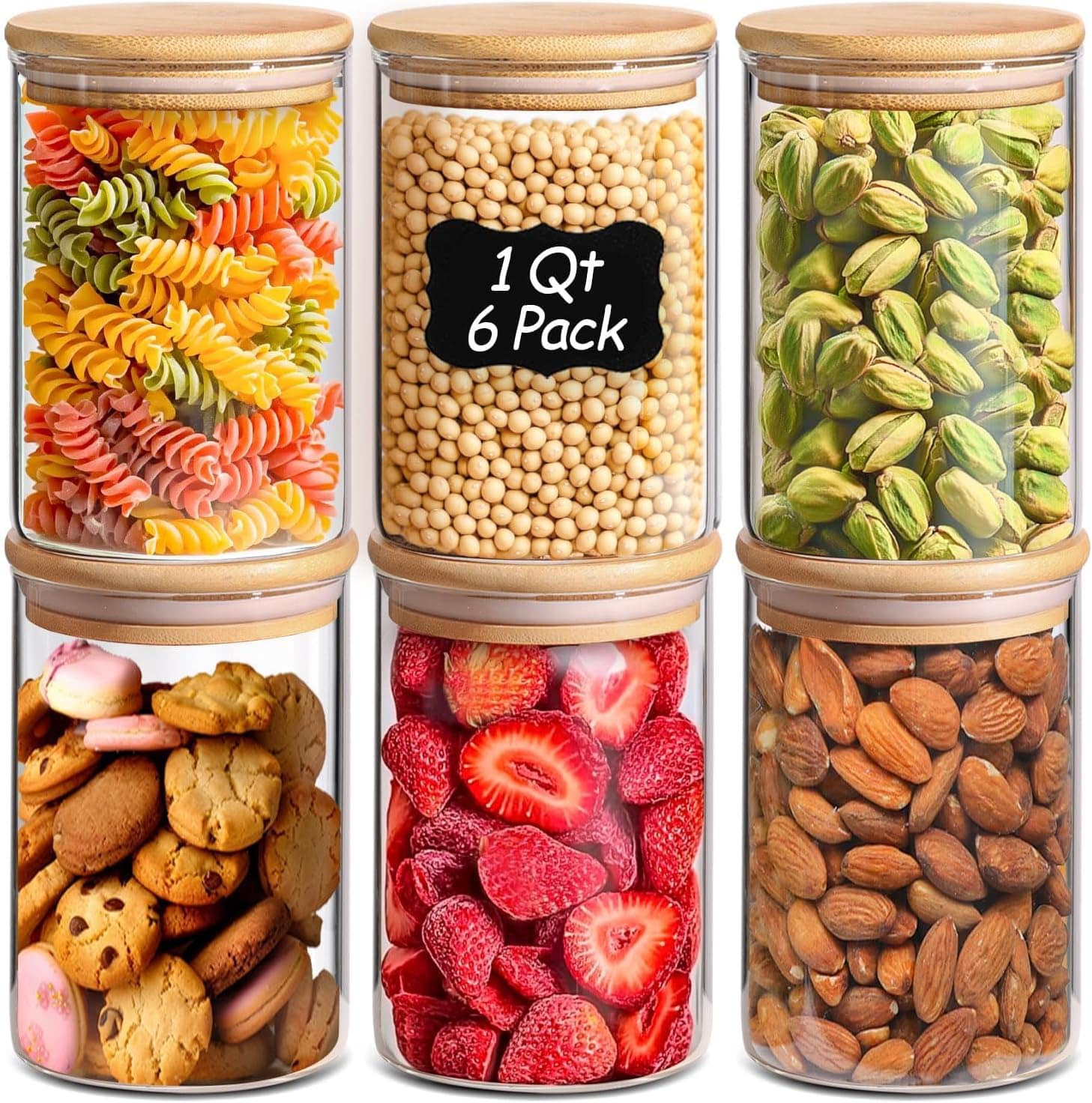
Packaging sheds. A 2025 CNN-covered investigation found that ordinary steps like unwrapping plastic film and opening bottles release micro- and nanoplastics directly into food. You cannot control how food is sold, but you can control how long it stays in the packaging: decant into glass or steel when you get home instead of storing, marinating and reheating in the wrapper or tray it came in.

Never heat food in plastic
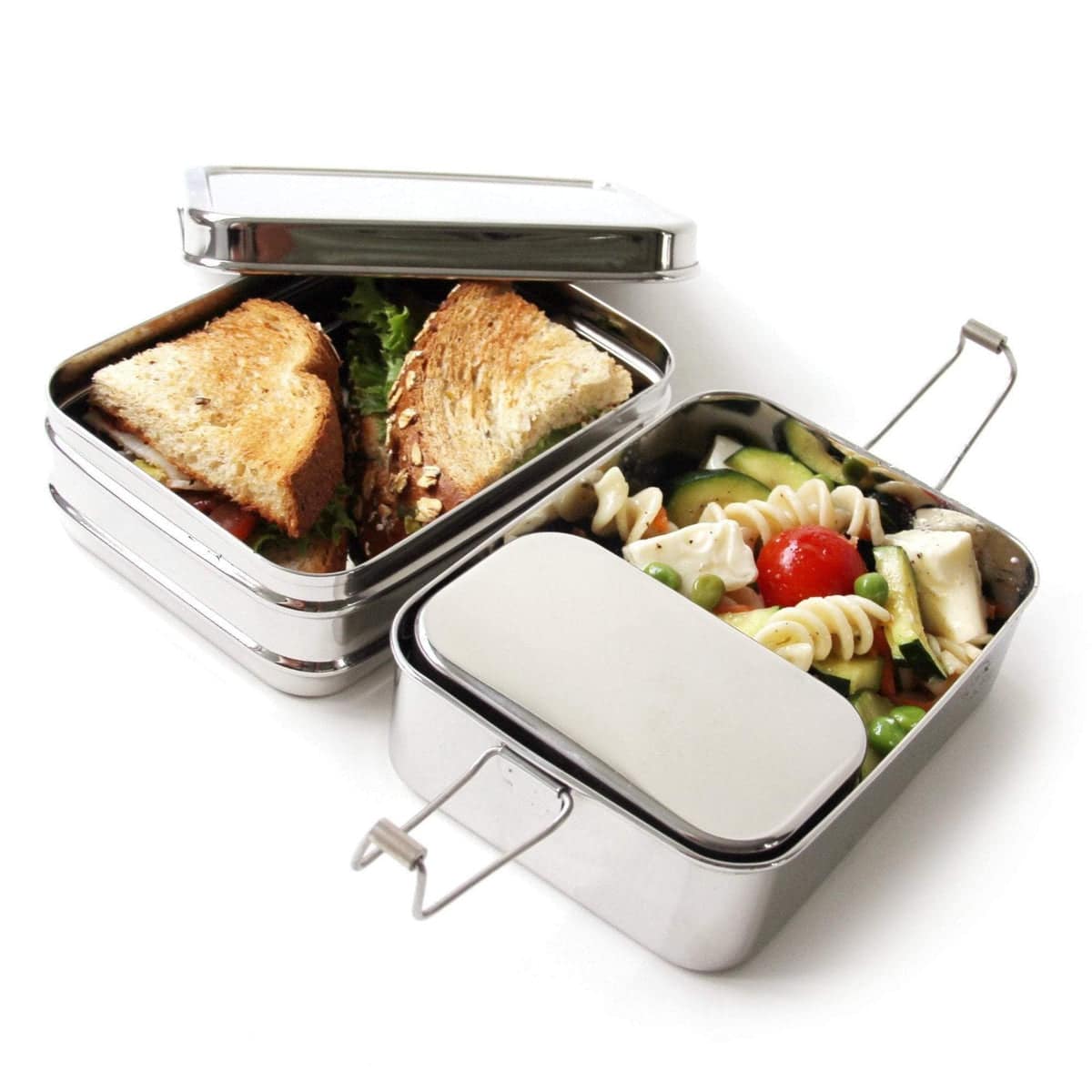
Heat is the single biggest driver of particle release, which makes the microwave-in-the-takeaway-tub habit the worst offender in most kitchens. Reheat in glass or ceramic, and pack lunches in stainless steel so the container can never end up in a microwave by accident.

Check your cutting board
Chopping on plastic shaves particles straight into the meal: researchers estimate a plastic board can shed tens of millions of polyethylene microplastics a year, with about half transferring to food. Wood and bamboo boards do the same job and self-heal shallow cuts instead of shedding.

Mind the sneaky sources
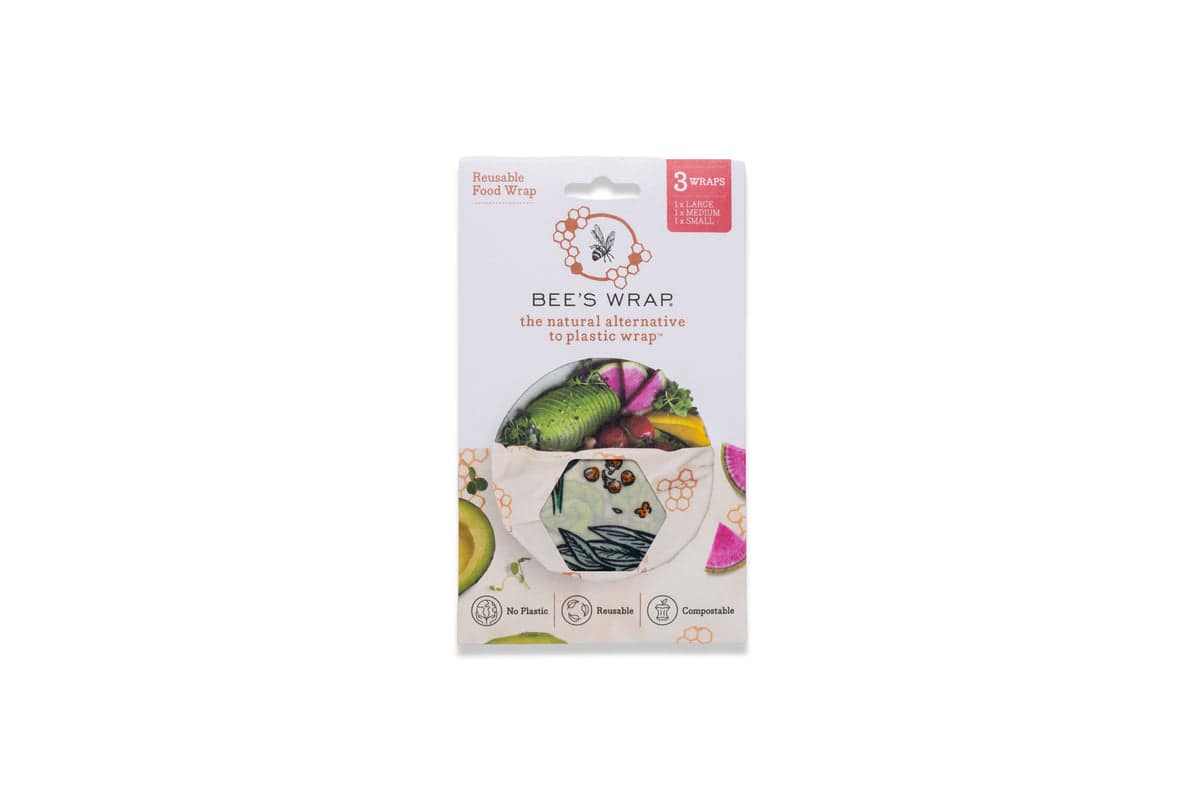
Premium-looking pyramid teabags are usually woven plastic, and a single one can release billions of particles into a cup. Loose leaf with a stainless infuser sidesteps it entirely. Beeswax wraps replace the cling film that sits directly against cheese, fruit and leftovers.


Common questions
- How many microplastics do we actually eat?
- The most-cited estimate puts ingestion at 39,000-52,000 particles a year for American adults, before counting inhalation, and intake has risen roughly six-fold since 1990. Bottled-water drinkers add tens of thousands more on top.
- Which food habit sheds the most plastic?
- Heating food in plastic is the clearest single offender, because heat accelerates polymer breakdown. Storing acidic or oily food in plastic, chopping on plastic boards and steeping plastic teabags follow close behind.
- Can I do anything about the plastic already in me?
- The research on clearance is young, but exposure is cumulative, so lowering the daily dose is what you can control. The swaps in this guide remove the largest measured food-contact sources.
Sources
- Human Consumption of Microplastics · Environmental Science & Technology (ACS) (2019)
- Humans Now Ingest Six Times More Microplastics Than In 1990 · Health Policy Watch (2024)
- Microplastics and Nanoplastics in Foods · U.S. Food & Drug Administration (2024)
- Microplastics shed by food packaging are contaminating our food · CNN Health (2025)
- Cutting Boards: An Overlooked Source of Microplastics in Human Food? · Environmental Science & Technology (ACS) (2023)
- Plastic Teabags Release Billions of Microparticles and Nanoparticles into Tea · Environmental Science & Technology (ACS) (2019)
- Microplastics Are Everywhere. Here's How to Avoid Eating Them. · NYT Wirecutter (2024)