Guide · 4 min read
How to avoid microplastics in your drinking water
Water is most people's biggest microplastic source, and the fix is cheap: skip the bottle, filter the tap, carry steel.
If you change one thing after reading this site, make it how you drink water. Imaging published in PNAS in 2024 counted roughly 240,000 plastic fragments in a typical litre of bottled water, around 90% of them nanoplastics small enough to pass into tissue. People who drink mainly bottled water take in about 90,000 more particles a year than people who drink tap. The hierarchy is simple: bottled is worst, tap is better, filtered tap is best.
Break the bottled-water habit
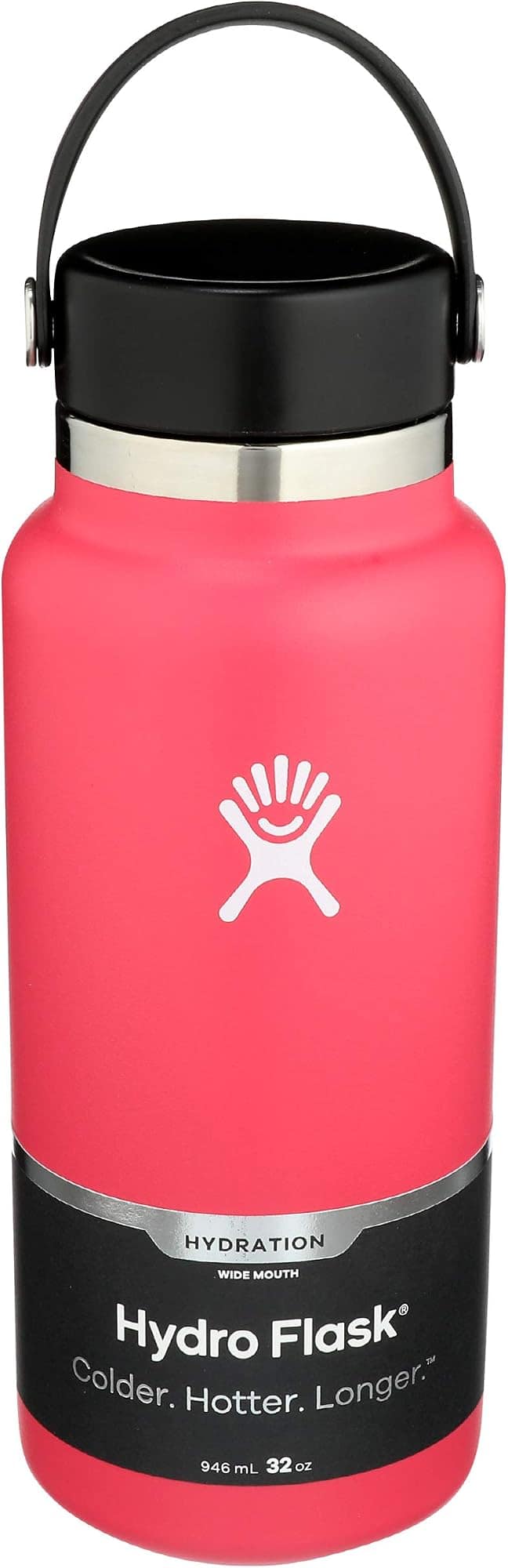
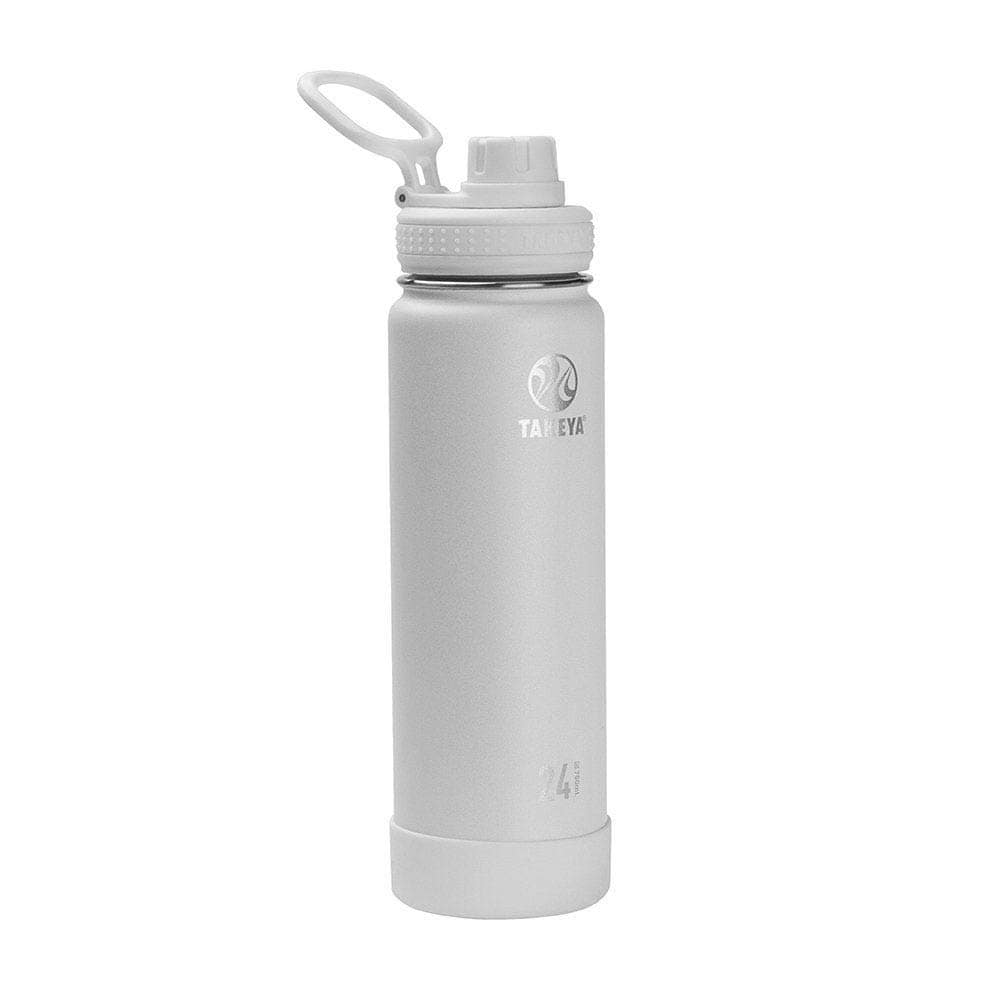
Every stage of a plastic bottle's life sheds particles into the water it holds: manufacture, transport heat, the cap grinding on the threads. A stainless bottle filled from the tap costs less within weeks and carries the water in inert steel.

Filter the tap
Tap water still carries some microplastics, and a filter pitcher takes most of what remains. Choose one that stores the filtered water in glass rather than a plastic tank, so the clean water is not sitting in plastic while you drink your way through it.

The boiling trick, if your water is hard
A 2024 study found that boiling hard tap water and filtering it precipitated out up to about 90% of nano- and microplastics, because the particles bind to the limescale as it forms. If you live in a hard-water area, an electric kettle that is stainless where the water touches turns this into a zero-effort habit for drinking and cooking water alike.

Common questions
- Is tap water safe from microplastics?
- Tap water contains far fewer particles than bottled in every study that has compared them. Filtering brings it lower still, and in hard-water areas boiling then filtering removes up to about 90%.
- Do I need a special microplastic filter?
- Membrane and activated-carbon filters both capture a large share of microplastics, since most particles are bigger than the pore sizes involved. The bigger point is what the filtered water sits in afterwards, which is why we favour glass-carafe pitchers.
- What about sparkling water in plastic bottles?
- Carbonated plastic bottles have the same problem, and the pressure works the material harder. Glass bottles or a home carbonator with a steel or glass vessel are the plastic-free routes to fizz.
Sources
- Rapid single-particle chemical imaging of nanoplastics by SRS microscopy · PNAS (2024)
- Plastic particles in bottled water · U.S. National Institutes of Health (2024)
- Human Consumption of Microplastics · Environmental Science & Technology (ACS) (2019)
- Drinking Boiled Tap Water Reduces Human Intake of Nano- and Microplastics · Environmental Science & Technology Letters (ACS) (2024)