Head to head
Glass vs plastic food storage: which is better?
Plastic is lighter and cheaper on day one. Glass wins on almost everything that happens after that, starting with what ends up in your food.
This is the food-storage question people actually search, and the honest answer is that plastic only wins the first day: it is cheaper on the shelf and lighter in the bag. Everything that happens afterward, the reheating, the tomato-sauce staining, the warping, the shedding into your leftovers, tilts hard toward glass and stainless steel.
The deciding factor for most people is heat. Reheating food in plastic is the single highest-shedding thing you can do with it, and packaging research in 2025 found particles releasing into food from ordinary contact alone. Glass removes that entire category of worry: you store, reheat and serve in the same inert dish.
| Plastic containersLight, cheap, everywhere | Glass and steelInert, oven-safe, lasts decades | |
|---|---|---|
| Sheds microplastics into food | Yes, especially when heated, scratched or holding acidic food | No, glass and steel are inert |
| Safe to reheat in | Risky; heat drives shedding even in microwave-safe plastic | Yes, fridge to microwave or oven |
| Stains and holds smells | Yes, tomato and curry stain and linger | No, wipes clean and stays odour-free |
| Lifespan | Warps, clouds and cracks in a few years | Lasts decades; lids are the only wear part |
| Weight and break risk | Light and shatterproof | Heavier and can break if dropped |
| Cost over 10 years | Cheap upfront, replaced repeatedly | More upfront, rarely replaced |
The verdict
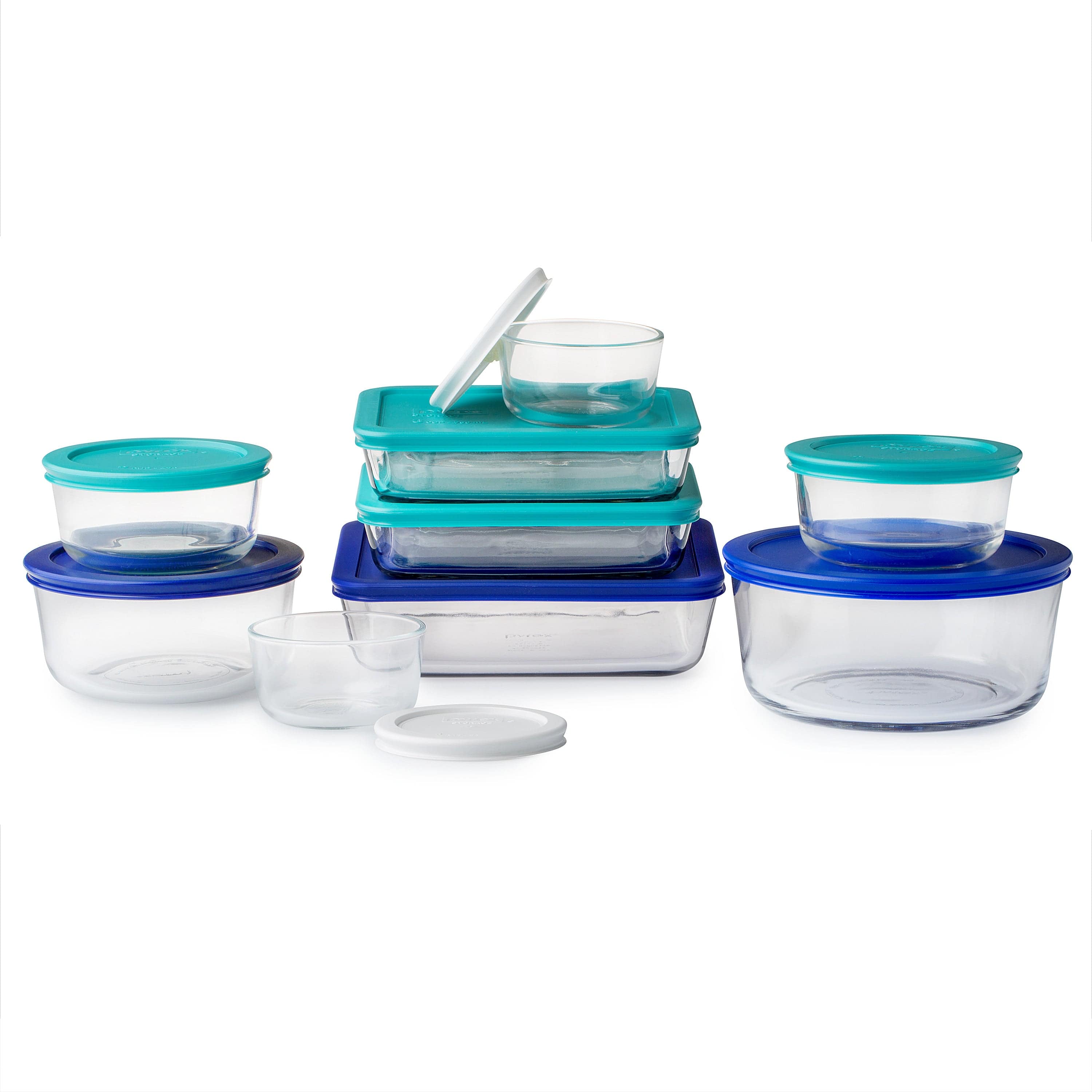
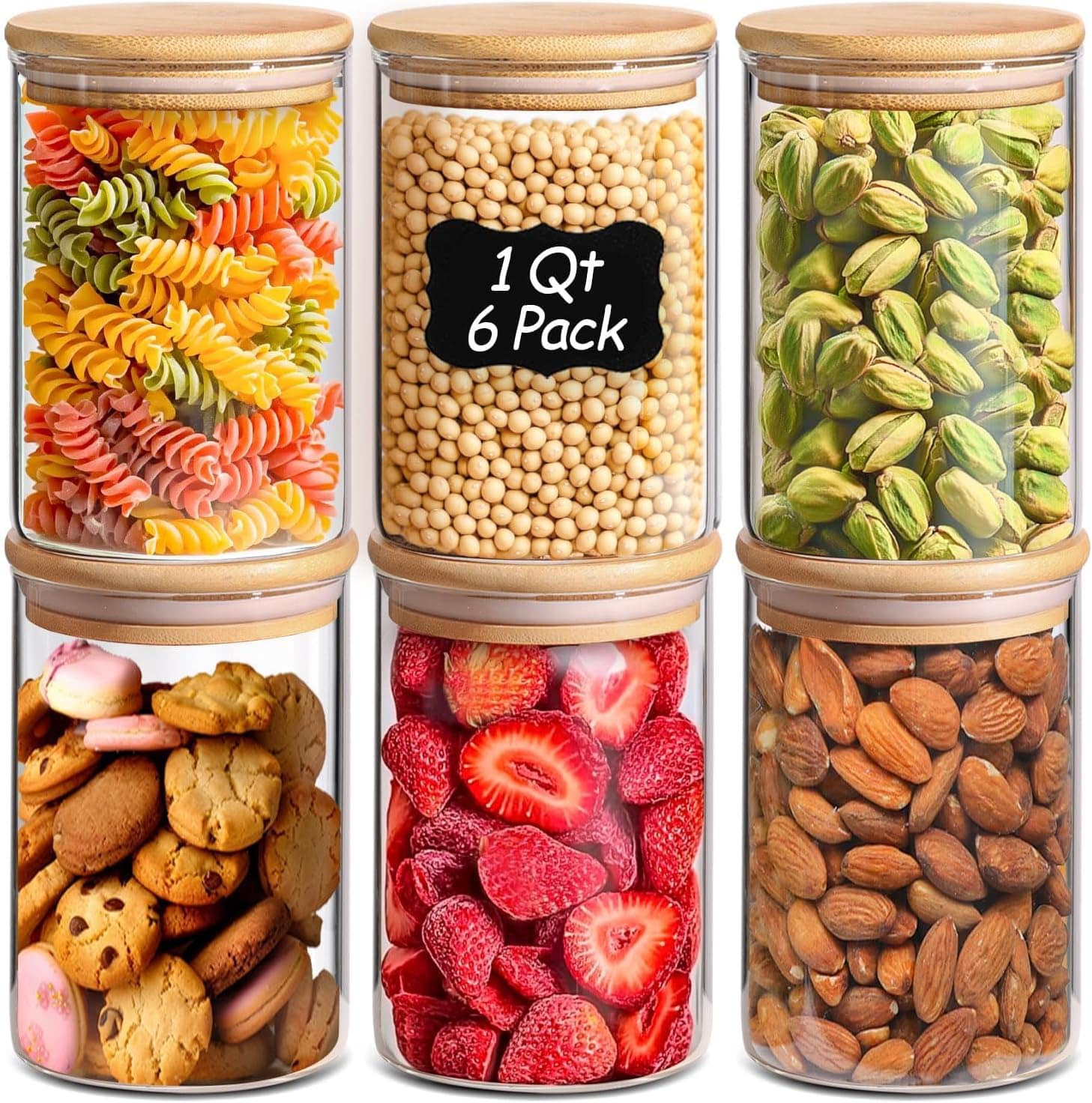
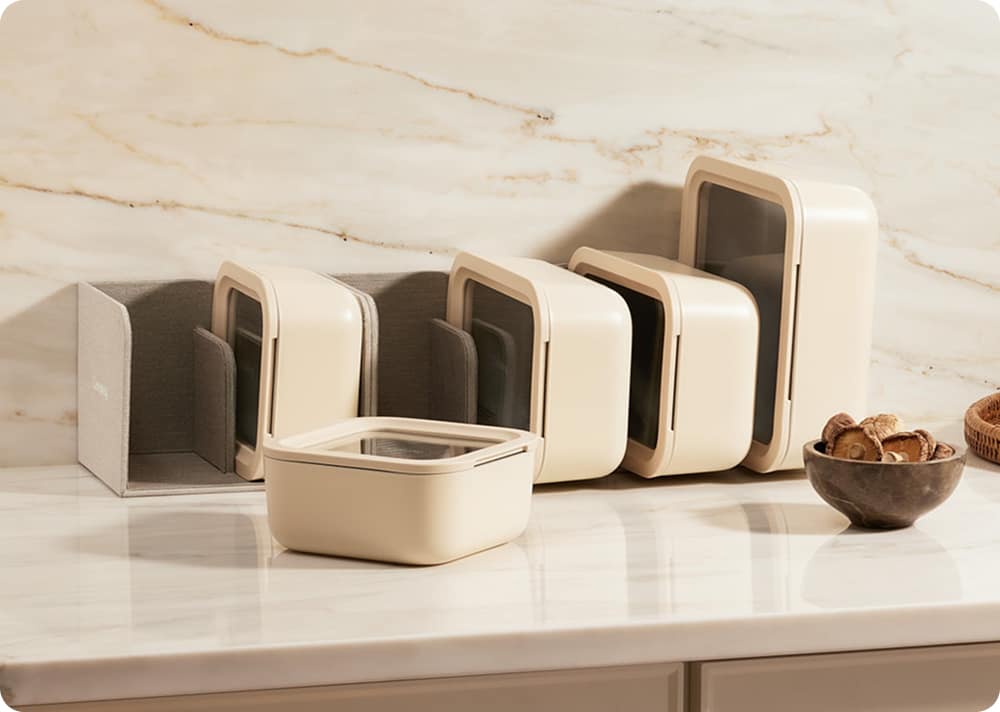
Buy glass or stainless for anything you heat, store overnight, or fill with acidic or oily food, which is most of your kitchen. Keep a few light plastic items only for lunchboxes for small kids and the freezer, where break risk matters most, and even there stainless and silicone now do the job.
The plastic-free picks

Common questions
- Is glass food storage really safer than plastic?
- For the things that drive microplastic shedding, yes: glass is inert, so heat, acidity and abrasion do not release particles from it the way they do from plastic. The main trade-off is weight and break risk, not safety.
- Are BPA-free plastics fine?
- BPA-free means one specific chemical was removed, not that the container stopped being plastic. It can still shed microplastics with heat and wear, and some BPA replacements have their own question marks. Glass sidesteps the whole debate.
- What about the plastic lids on glass containers?
- The lid touches food far less than the body, and only briefly and cold, so it is a minor exposure. If you want to eliminate it, glass or stainless containers with glass or bamboo lids and silicone seals exist.
Sources